
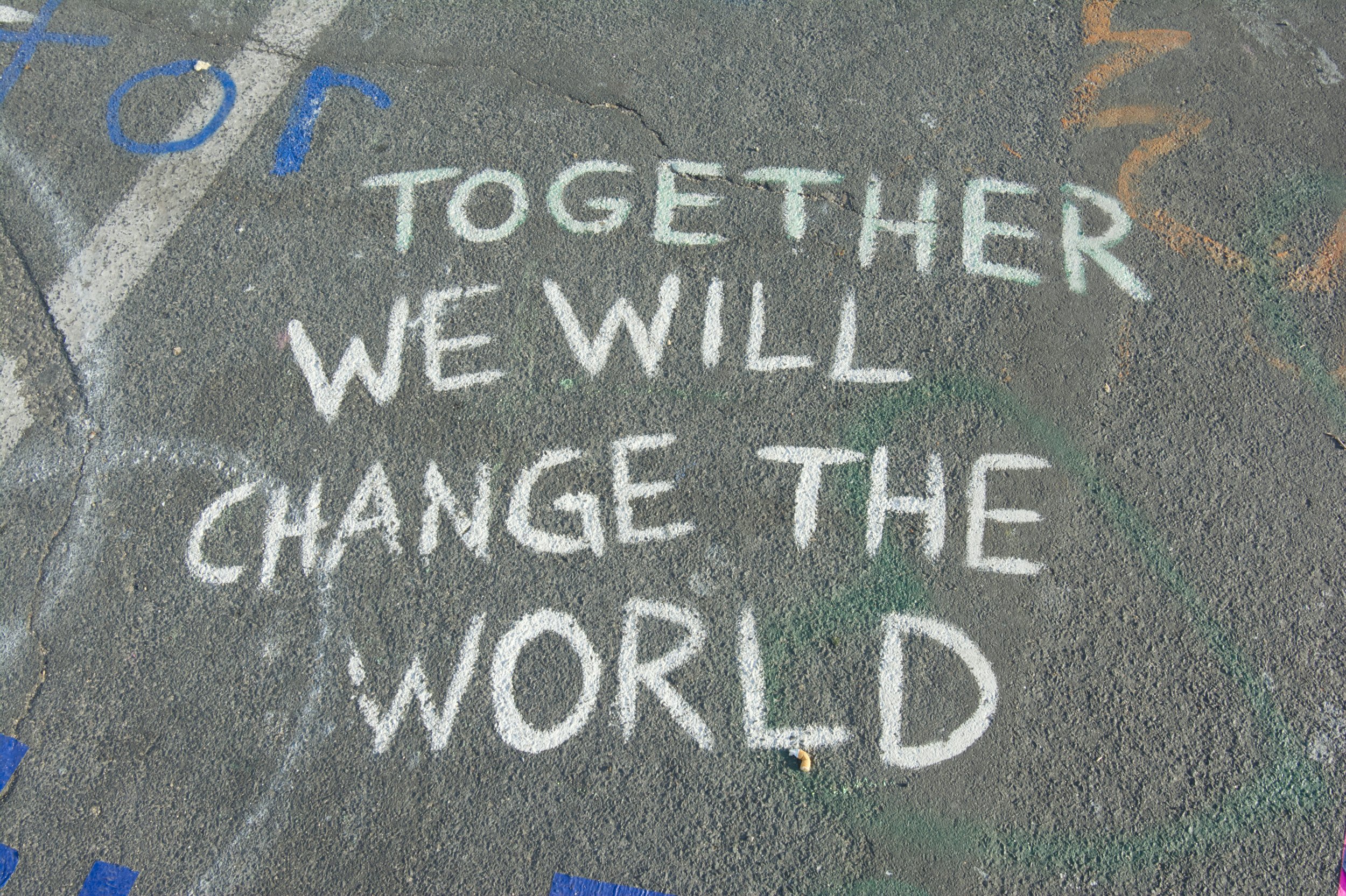
Image source: Photo by Priscilla Gyamfi on Unsplash
The current state of South Africa misses the greater point.
We speak of corruption as though it exists in isolated incidents, as though it begins and ends with another minister caught stealing from the public purse. But corruption is not merely the theft of money. It is the theft of possibility.
It is a country where public officials can syphon billions from the very communities they were elected to serve, where cabinet portfolios are treated like musical chairs, shifting political allies from Minister of Basic Education to Defence and Military Veterans with little regard for expertise. At the same time, the poor are told that education is the only legitimate pathway out of poverty.
A nation where a 30% pass mark is celebrated as success, yet that same standard would deny many of those learners entry into the universities they are told to aspire to. We manufacture exclusion, then blame people for not escaping it.
But South Africa's deepest contradiction is political.
The ANC should never have become South Africa's permanent governing party after 1994. Liberation movements are designed for one purpose: to dismantle oppression. They are born from resistance, organised around a common enemy and sustained by the urgency of struggle. Governing demands something entirely different. It demands institutions instead of insurgency, accountability instead of loyalty, and long-term stewardship instead of revolutionary legitimacy.
Too often, liberation credentials become political immunity. The moral authority earned in the struggle is mistaken for an indefinite mandate to govern, where criticism is framed as betrayal and power becomes something to protect rather than something to be held in trust. When a movement never fully transitions from liberation to governance, the politics of loyalty begin to outweigh the politics of competence.
And so we ask why members of parliament abuse their power.
Perhaps because the system rewards allegiance before accountability.
South Africa remains burdened by many of the same structural inequalities inherited from colonialism and apartheid. Wealth remains concentrated. Land remains unevenly distributed. Opportunity still follows geography, race and class more often than talent.
The country's greatest strength has never been its political class. It has always been its people.
Its economy survives not because of exceptional governance, but because of the resilience of interconnected communities, informal economies, migrant labour, regional trade and the countless relationships that bind South Africa to the rest of the African continent. Africa has carried South Africa as much as South Africa imagines it has carried Africa.
The real division has never simply been black versus white.
It is between those who benefit from concentrated wealth and those who continue to labour beneath it. Between those who profit from maintaining inequality and those demanding its redistribution. Between a ruling class, across races and political parties, that fears an economically empowered working class and the millions who continue to inherit a democracy without its promised prosperity.
Perhaps that is the greater tragedy.
We inherited political freedom, but never completed the work of economic liberation.