
The Harvest Africa Foundation
Our Strategy
The Harvest Africa Foundation serves as the social impact arm of the brand, focused on equipping the next generation with tools that foster self‑discovery, skill development, and critical awareness. The Foundation carries forward Paulo Freire’s belief that emancipation begins with dialogue; real conversations that shape how young people understand themselves and the world around them.What is the Foundation?
Our Africa deserves a chance to rewrite its narrative away from discourses of inadaptability or saviour complexes, and redirect toward a landscape defined by its people and the concerns that deeply affect its ecosystem. More than that, through its foundation, The Harvest Africa Foundation works closely with youth and community actors, including women, to foster a future that places them at the centre.
Women are often coined as nurturing and have historically been trailblazers who shaped the society we experience today through their contested and often discounted resistance. These women, alongside men, have used manual labour to develop the communities they now experience in the periphery. As time moves forward and youth take the lead, this shift brings a need for training and education. Without proper infrastructure and programmes to support creative development, coupled with the weight of socioeconomic burden, many African youth fall short of their right to education. This is where the Foundation’s Youth Project finds its footing: offering youth the opportunity to develop skills and become marketable through creativity.
In addition, the Foundation supports community actors through agroecology, enabling emerging communities to make use of their land and resources to become self-sufficient. All of this requires partnership and diligence to create impact—impact that leaves footprints for others to follow, however small the breadcrumbs may appear.
What the Foundation Offers
Youth Project
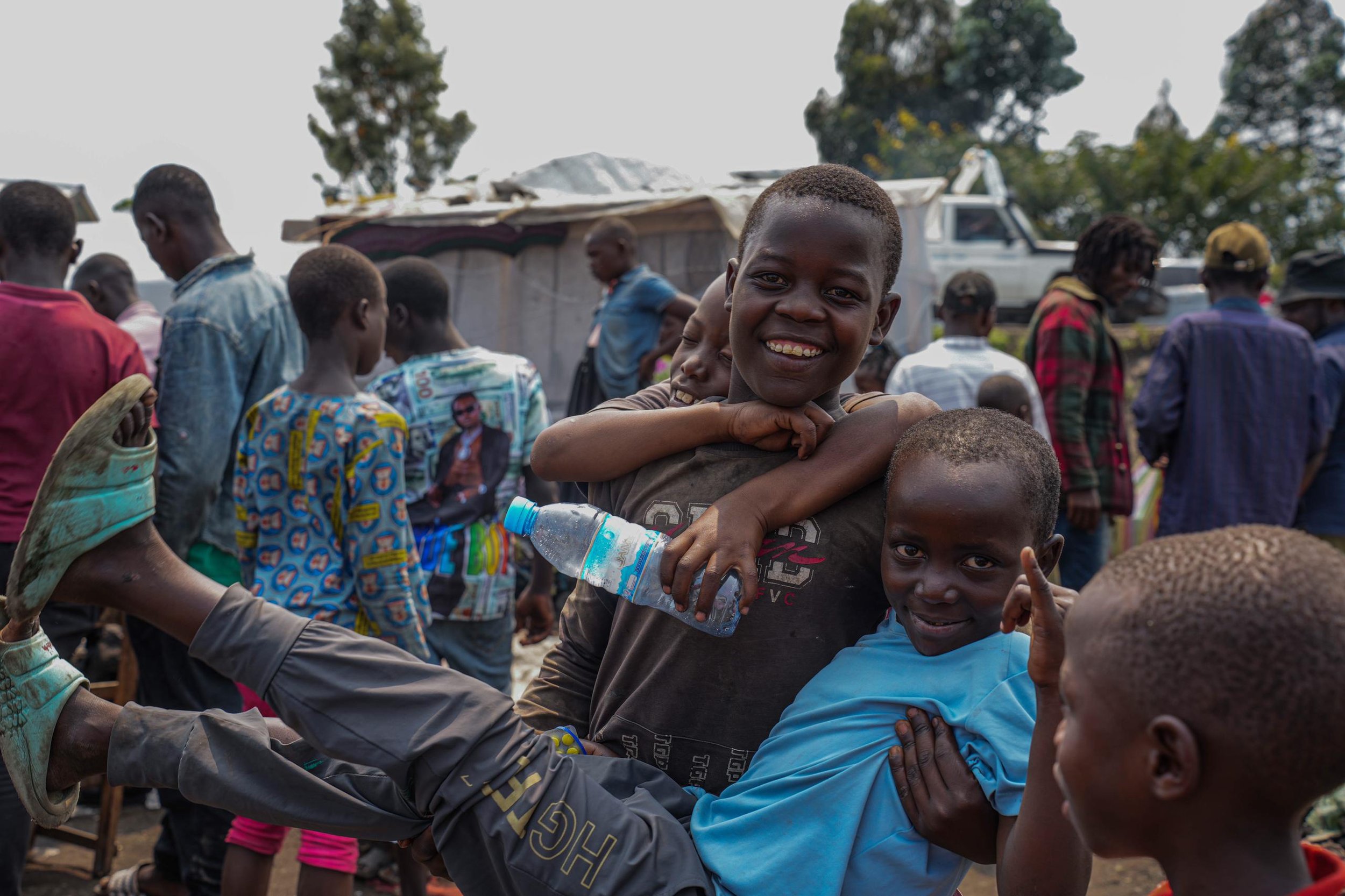
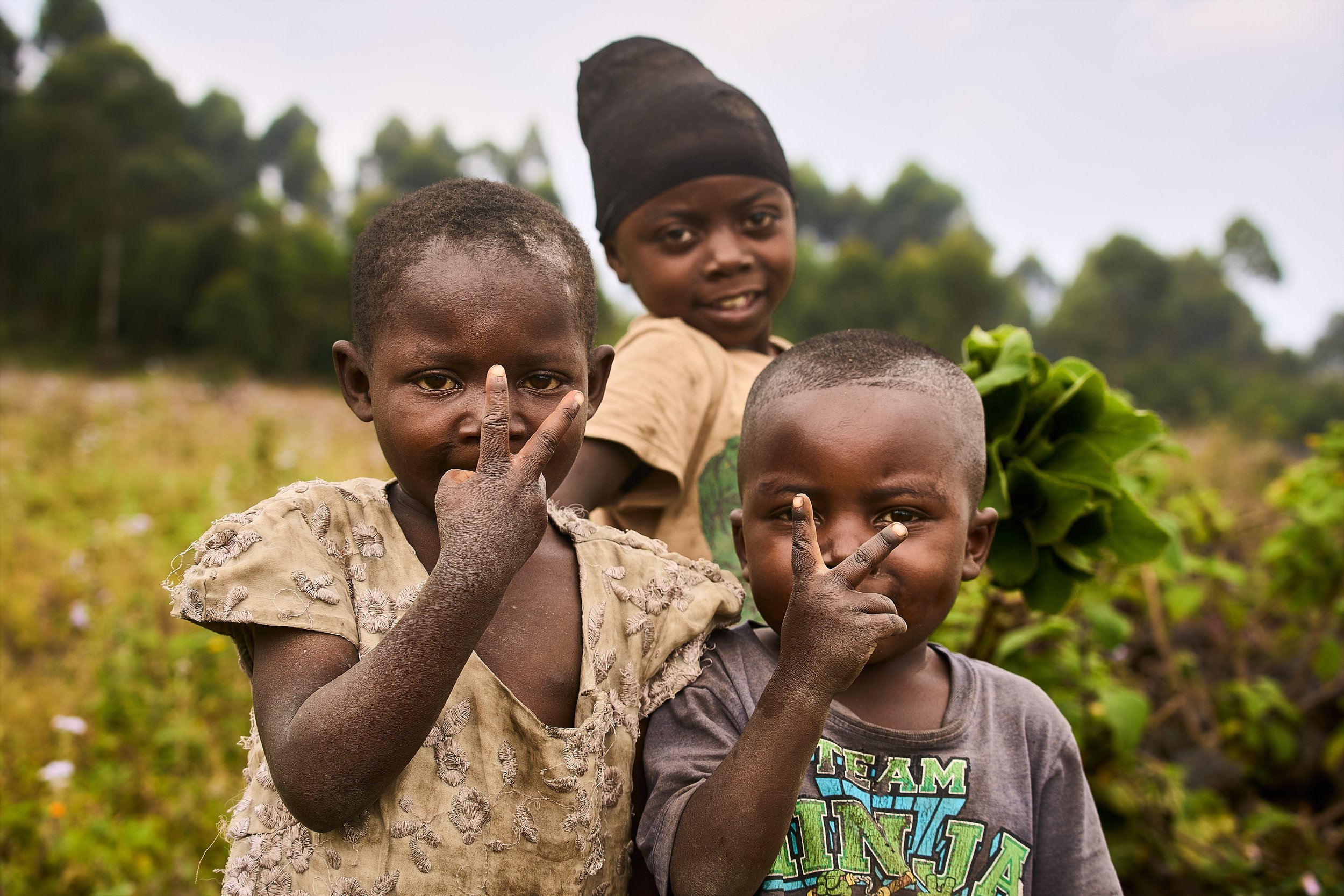
At the heart of the Foundation is its youth program, designed for young Africans who deserve access to mentorship, creative opportunities, and developmental resources rooted in their own identities and cultural contexts.
The youth program creates spaces for learning, imagination, and skill‑building, allowing participants to explore ideas, challenge limiting narratives, and grow into leaders who are grounded in awareness and agency.
It emphasises emotional literacy, cultural belonging, creativity, and community engagement; elements often overlooked in formal education but essential to building a generation capable of transformative thinking.
Through workshops, mentorship, creative learning spaces, and storytelling‑based development tools, the program equips youth with the skills to understand their environments, articulate their experiences, and imagine new possibilities for themselves and their communities.
Photographer credit: Isaac Jimmy
Photographer credit: Isaac Jimmy
Towards a sustainable ecosystem
The Harvest Africa and The Harvest Africa Foundation form a cohesive ecosystem: one that documents Africa’s stories with dignity, and one that nurtures emerging voices who will write the continent’s next chapters.
Through research, storytelling, and youth empowerment, The Harvest Africa builds a brand identity centred on truth, depth, and the belief that the continent’s future is shaped by how its people learn, imagine, and act today.
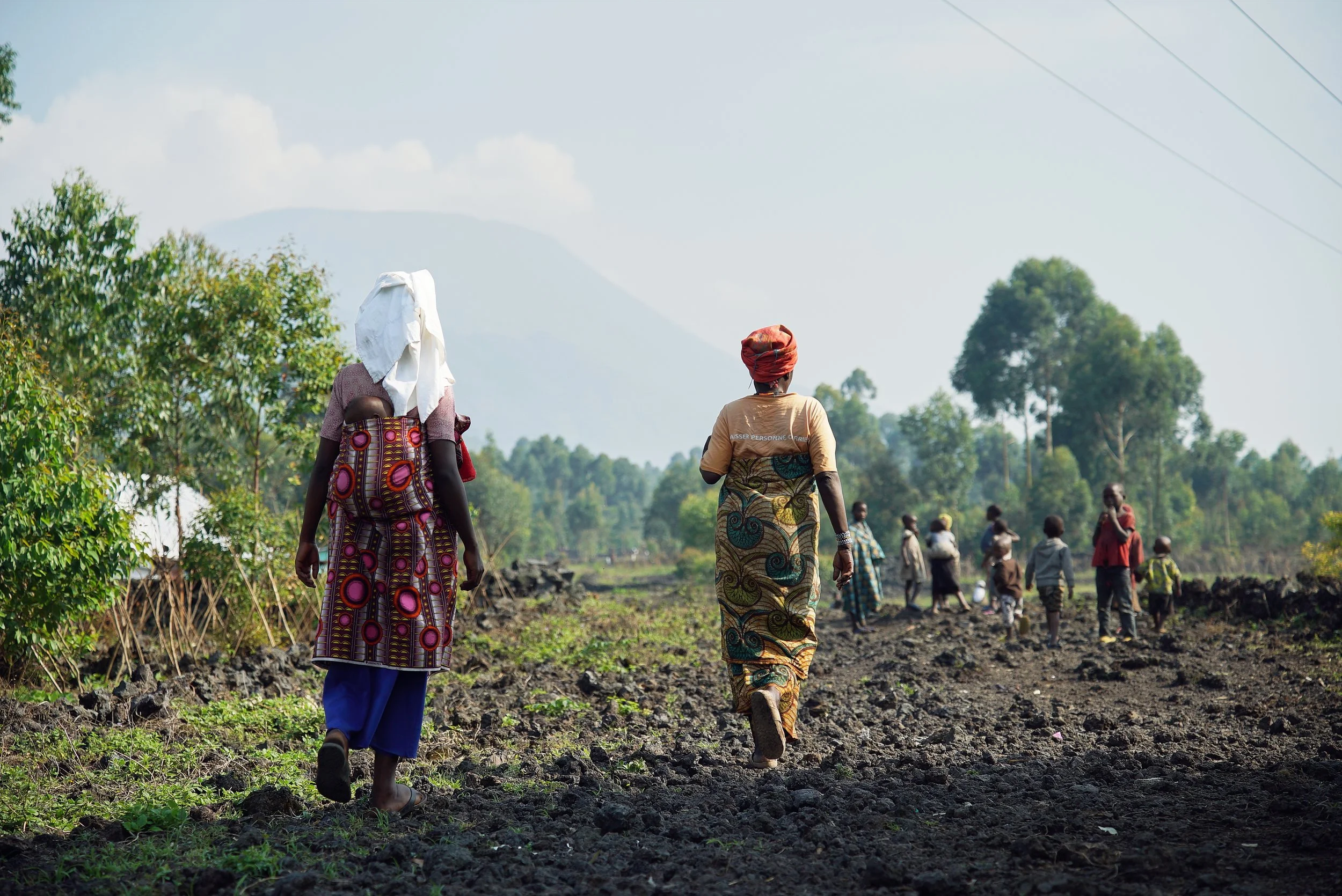
Photographer credit: Isaac Jimmy
The path towards agroecological education
Many African communities live by the land, yet across a continent rich in soil, sun, and rain, we spend over US $70 billion a year on imported food. This exposes not only a growing threat to food security but the predictable outcome of failed policies that export raw resources for scraps and return them to us as overpriced products—while leaving our people with little access to the richness of our continent.
For centuries, African women have sustained families and communities through intimate, ancestral relationships with the land. Their labour bridged economic gaps long before institutions claimed the language of “sustainability.” Yet today, generations drift further from manual trades and local food systems, trapped under an economy designed to keep them dependent.
Agroecological education shifts this trajectory. It expands our understanding of sustainable farming, strengthens ecosystems, restores autonomy, and builds long‑term socio‑environmental resilience without relying on corporate intervention.
The Foundation aims to close this gap, empowering communities, especially women and youth, with the knowledge, tools, and confidence to reclaim their land, rebuild food systems, and reshape their future.
Projected goals of the Foundation
-
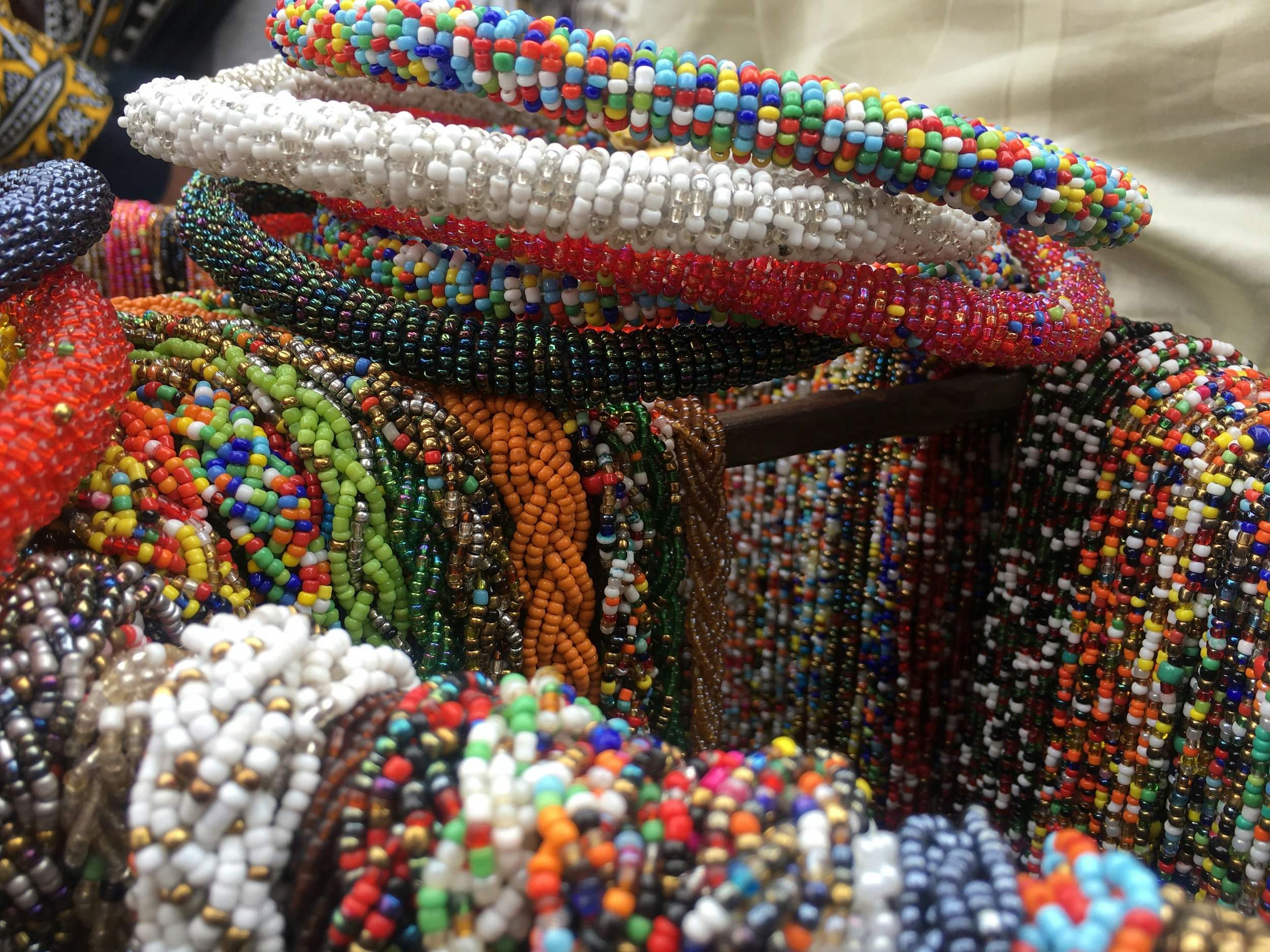
![Colorful beaded bracelets stacked on a display.]()
✺
Creative Education Programs
Workshops that build critical awareness, sharpen creative skills, and nurture the next generation of thinkers, writers, and cultural workers.
-
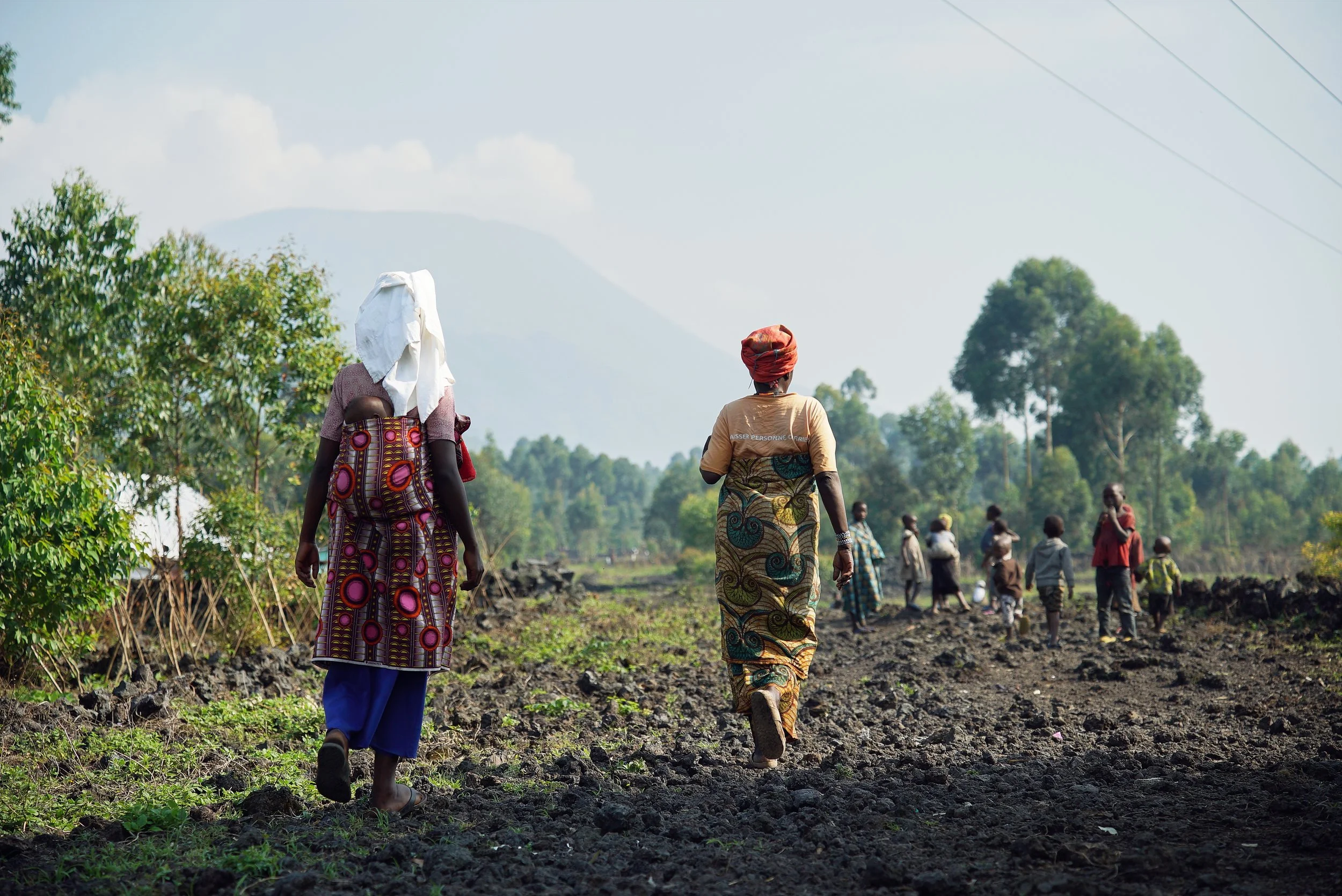
![Group of people walking on a dirt path through a rural area with trees and mountains in the background.]()
✺
Agroecology & Land Literacy
Hands‑on learning spaces where youth and women explore sustainable farming, food sovereignty, and the knowledge systems that have long sustained African communities.
-
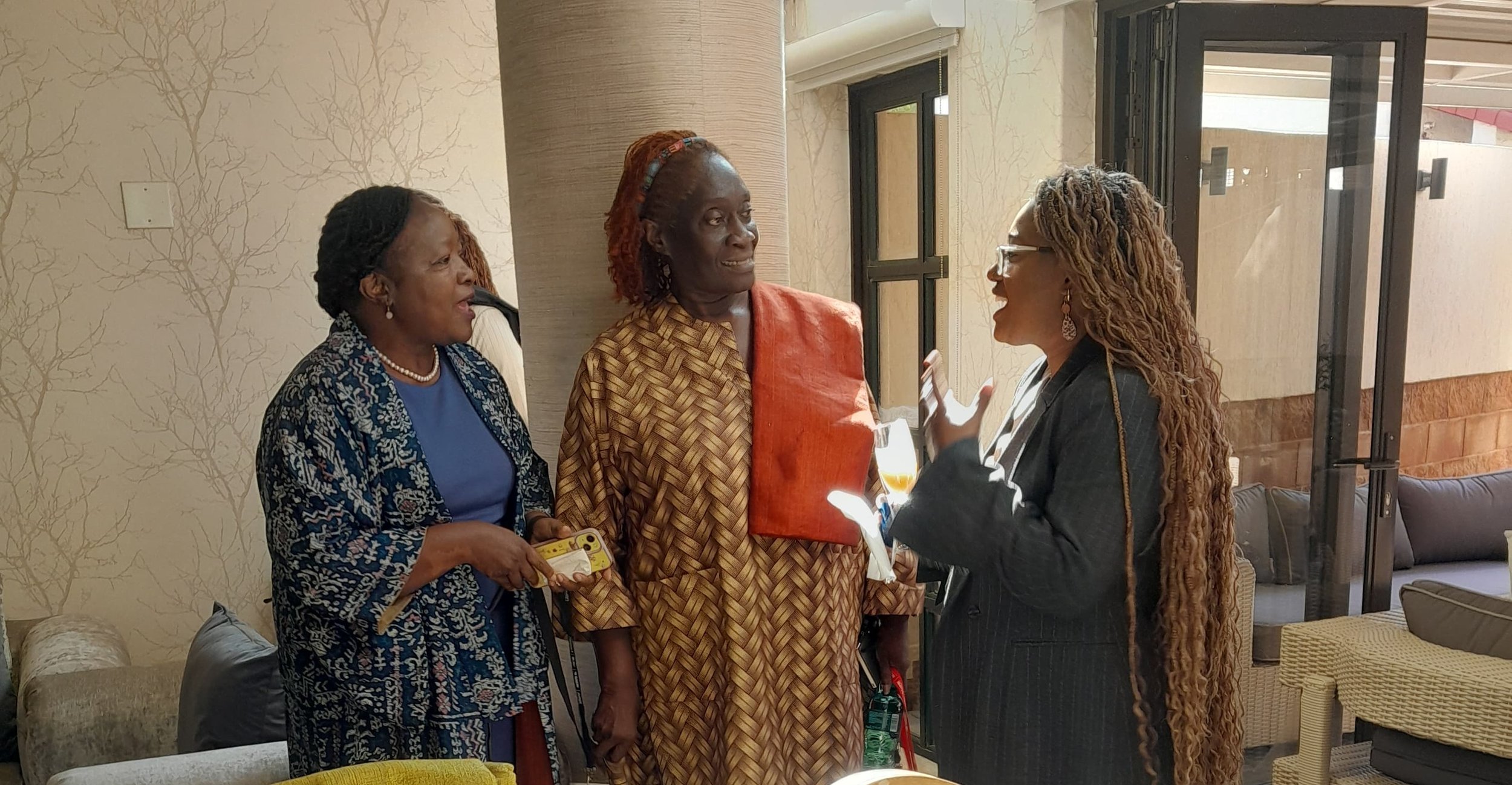
![Three women engaging in conversation inside a room with beige and brown decor, one woman holding a drink, another holding a phone, and the third gesturing with her hands.]()
✺
Civic & Social Awareness Training
Programs that strengthen understanding of governance, rights, and community power—so young people can speak, organize, and act with clarity.
-
![Scrabble tiles spelling out "HUMANITY" on a cork surface.]()
✺
Media & Research Fellowships
Opportunities for young reporters, researchers, and storytellers to produce grounded, community‑rooted work without external pressures or distortion.
-
![A diverse group of people seated in a conference room, some taking notes and others listening, with a wooden desk in the foreground.]()
✺
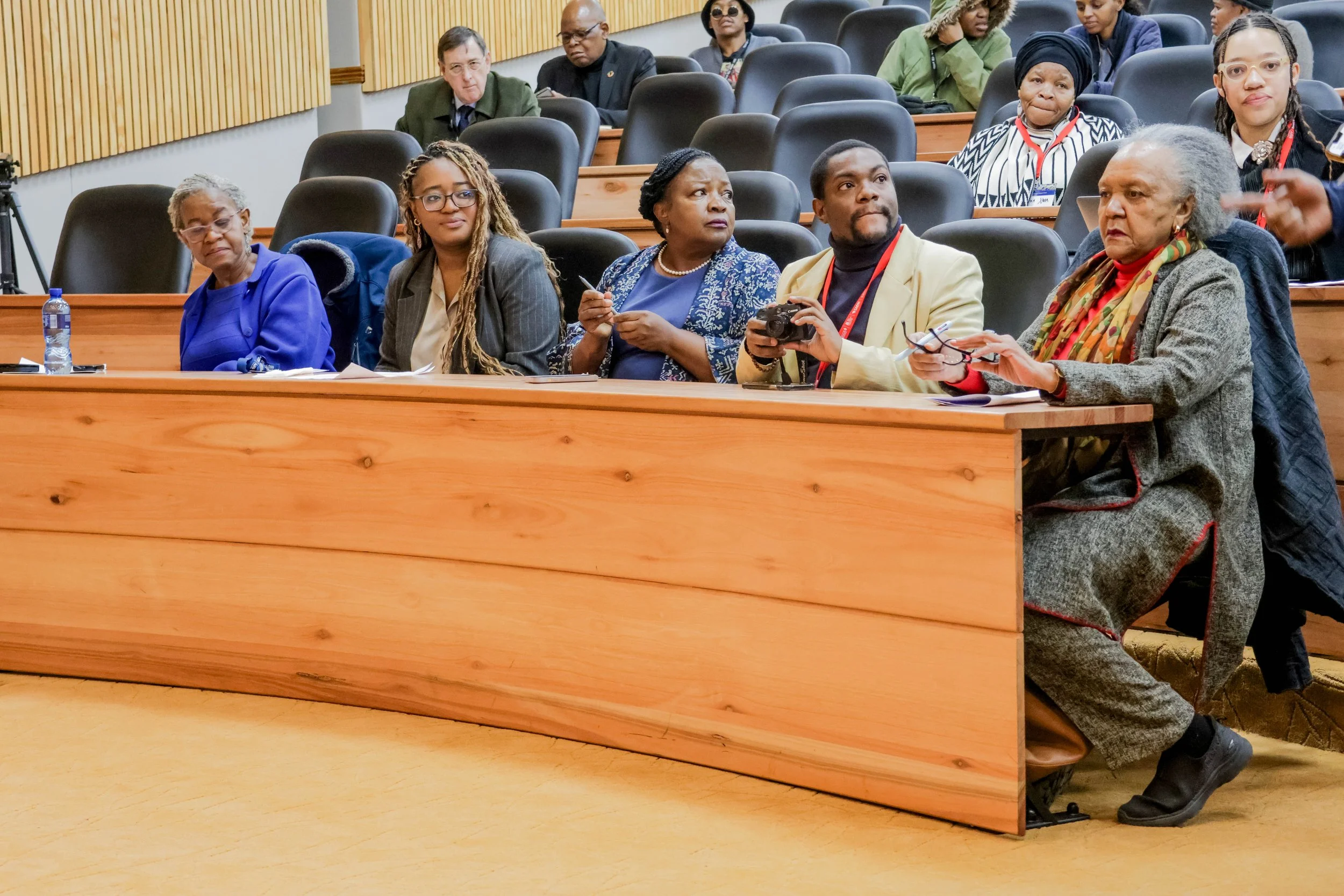
Community Partnerships & Support
Long‑term collaborations that expand access to education, creative resources, and safe learning environments, especially in regions where access is denied or deliberately restricted.
-
![A large, leafless tree with a thick trunk and sprawling branches at the center of a small communal area. There are four children sitting on benches around the tree, and one adult standing with arms outstretched near the tree trunk. In the background are trucks and cars on a road, with a hill and some structures visible under an overcast sky.]()
✺
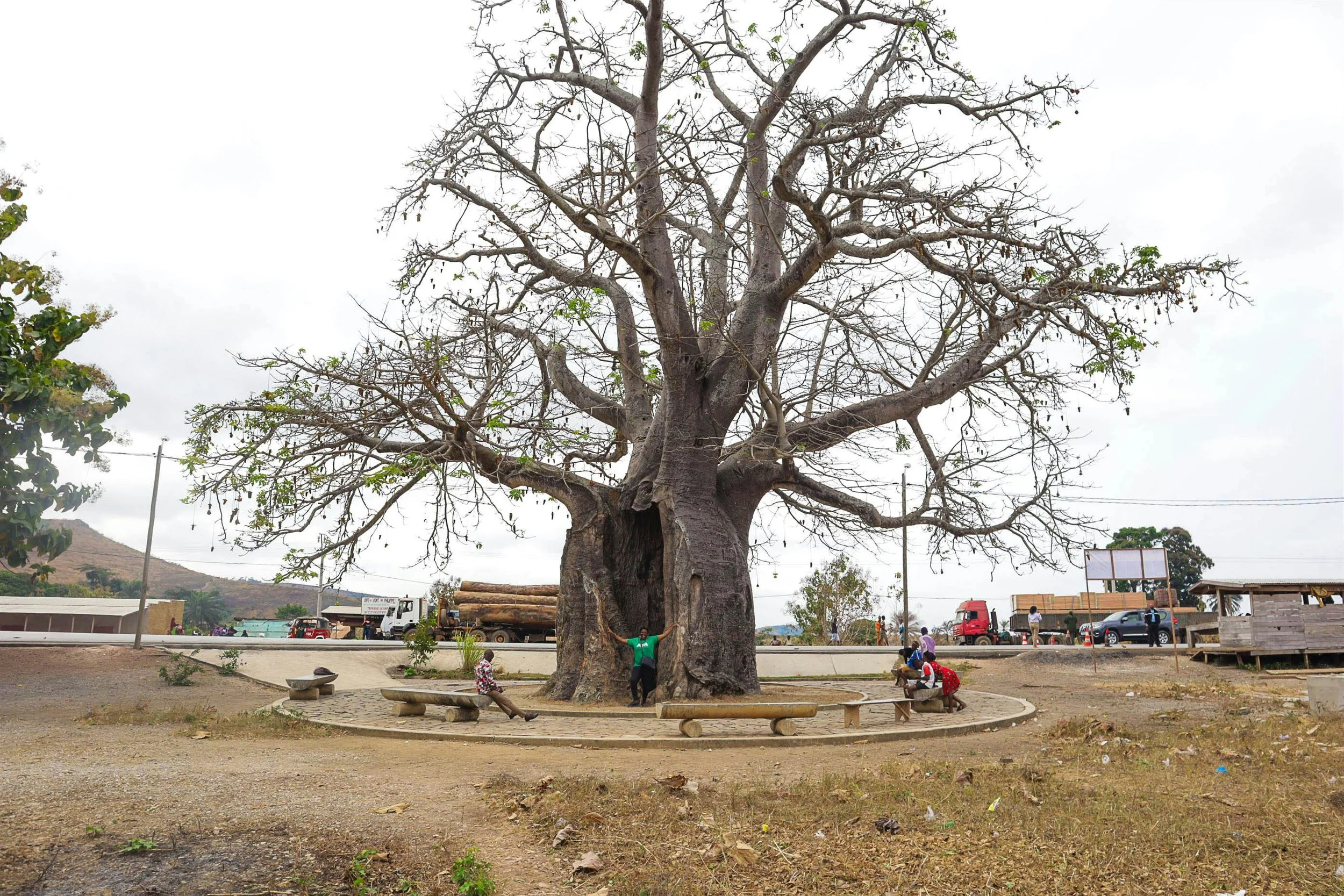
Arts & Cultural Preservation
We support young artists, archivists, and cultural workers preserving community memory through storytelling, visual practice, and safeguarding disappearing traditions.
✺ Frequently asked questions ✺
-
We welcome pitches from across the African continent, as well as global stories whose ripple effects shape our realities. Our writing is characterised by narrative depth—descriptive, grounded, and intentional. Every piece is fact-checked through on-the-ground reporting and, where available, research; evidence-based work is essential to delivering accuracy.
Humanising narratives is non‑negotiable. We expect writers to engage conscientiously with communities, honouring their stories through quotes, interviews, and lived context tied directly to the subject at hand.
If your idea aligns with our ethos of depth, context, and critical awareness, you can submit your pitch through our editorial Microsoft Forms portal. Keep it concise, clear, and in your own voice. Strictly no AI. Originality matters.
-
The Harvest Africa is a periodical publication releasing new articles every Wednesday, featuring a range of writers, contributors, and the editor. Every Friday, subscribers receive our newsletter, offering extended reflections, updates, and curated analysis.
Our stories move at a steadier, more intentional pace. We publish in this rhythm, not on a rigid churn, because we believe depth takes time. Writers, researchers, and editors are given the space to shape work with integrity, precision, and context.
When breaking news unfolds, we respond immediately, regardless of the day. But our priority remains the same: reporting that honours the subject, respects the reader, and refuses the shortcuts that flatten African narratives.
-
Our scope spans the continent and its diasporas.
We publish work from Central, Southern, Eastern, Western, and Northern Africa and from communities whose histories, identities, and political realities remain connected to Africa’s global story.
-
The Foundation aims to strengthen communities through creative development, critical awareness, and socio‑ecological education. Key priorities include:
Expanding access to agroecological education,
Investing in youth skills and creative pathways,
Preserving arts and cultural memory, and
Supporting community‑driven initiatives that build autonomy rather than dependency.
-
We do not mirror the Global North’s gaze or pace.
We prioritise context over headlines, lived experience over spectacle, and collective knowledge over extractive reporting.
Across both the publication and Foundation, the work is grounded in integrity, cultural memory, and the belief that stories and education must serve the people they speak to.
-
The publication is sustained through a mix of reader contributions, partnerships, Foundation support, and selective grants.
This model allows us to remain independent, community‑aligned, and free from editorial influence that dilutes our mission.