
Letters from women of the 2026 African Women Writers’ Circle and Retreat.
The lessons of life are often understood in hindsight.
Perhaps a catastrophic event leads one down the path of rewriting a tumultuous narrative. Or rather, the course of one's youthful immaturity later reveals the need to reframe an already stale dream.
This is the poetry woven through our days. Life’s valley, wild and uncharted, sketches itself in mystery. Often, only time and age lend us the language to navigate. Each route is robust, each uncanny, but somewhat rewarding.
Wisdom as a collective inheritance for youth
There's a version untold, or rather unexplored. Both intricate and simple. A version where life is not a riddle to solve. Isn't that, after all, why the young and eldest exist in society?
For generations, wisdom has been handed down like a torch. Of course, there's the counterargument that no one's path resembles another. Here lies the juxtaposition: while diversity captures the nuances of culture, most of which are distilled or morphed over time, the lessons learned still serve not just one person. Just because each journey is unique doesn't negate that wisdom transcends the individual. It informs a mindset that benefits the collective, not just a single person.
If this is true, then storytelling becomes essential. For Africans, it is the heartbeat of intergenerational connection, woven through rhythm and narrative. Each story, each song, is a rite of passage.
From a more critical, analytical perspective, regardless of the field, the data we absorb from literature and research forges a script for knowledge cultivation. For the attentive, conscious mind, all one needs to do is pay attention to the cues, both learned and instinctive, that shape the world we inhabit. All of which encircle the paradigm within which we exist. That is, we live in two realms at once: the spiritual and the social, each informing the other.
Unveiling the framework that shapes us and the generation we empower
This essentially reveals that while no handbook for surviving the world exists, an invisible framework guides us. Our understanding depends on what we take in and how aware we are of its influence.
This awareness is an exercise of maturity. Evidently so, because as teenagers, those years were ill-informed by hormones and a severely underdeveloped brain (argue with science, not me). We weren't yet equipped to recognise the wisdom around us, much less appreciate it.
It is for this reason that guiding the next generation becomes a collective responsibility. We must understand that reception requires readiness, and our role is to nurture that spark
There comes a moment in every career when the ladder lifts us into leadership roles, whether as directors, entrepreneurs, or advocates in our fields. Achieving this is no accident. It demands relentless pursuit, constant reinvention, and the courage to carve out new trails for others to follow. Until the clock runs out on our time on earth, the journey is unceasing. If we were challenged to influence a growing population, what wisdom would we choose to share?
Turning the gaze towards empowering young people
The clichéd question "What would you tell your younger self?" prompts us to consider how our past has shaped a trajectory we didn't consciously appreciate at the time. Whether good or bad, favourable or not. Every experience layers upon the last, laying the groundwork for what lies ahead. The future is shaped by the echoes of our past, allowing the present to unfold in a continuous loop. These shifting cycles invite us to carry forward the torch, to illuminate our journey and those who walk alongside us, in step or travelling the same path.
So instead of an inward focus centered on our own timeline, what if we turned outward instead? What message would you offer the next generation about shaping the world, seen from your unique perspective? Having laid footprints, negotiated space, and developed a rhythm you've come to be proud of, what lessons would you pass on?
This shift matters because the world is slowly becoming stale. Much of the language in today's technologically frenzied society centers the self. Alongside widening socioeconomic gaps that limit access to education or avenues for future success, breeding a society of apathetic youth. We’ve manufactured into society a hero complex that seeks validation for good deeds rather than genuine care. The endless pursuit, the hunger for power, the proverbial clenched fist, and starry gaze all limit our ability to consider a world outside our own. As a result, the world needs restorative justice, not social hierarchy.
As I considered this dilemma, I felt compelled to champion women who boldly redefine what it means to be powerful, moving far beyond the confines of silent womanhood. The metaphor of sowing seeds captivated me, evoking images of growth and legacy. When asked, a handful of women rose to the occasion: What wisdom would you share with the next generation about shaping the world through your own lens?
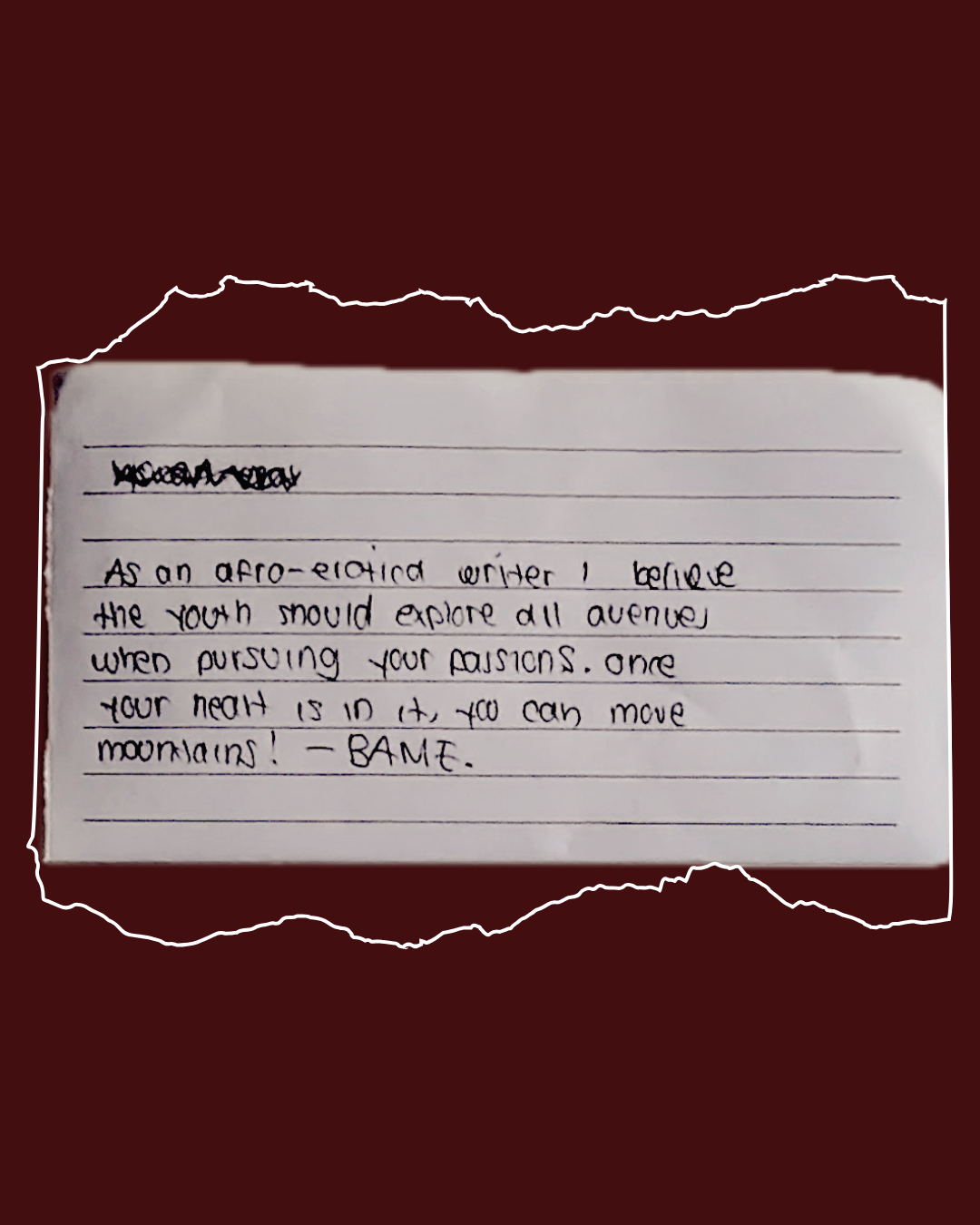
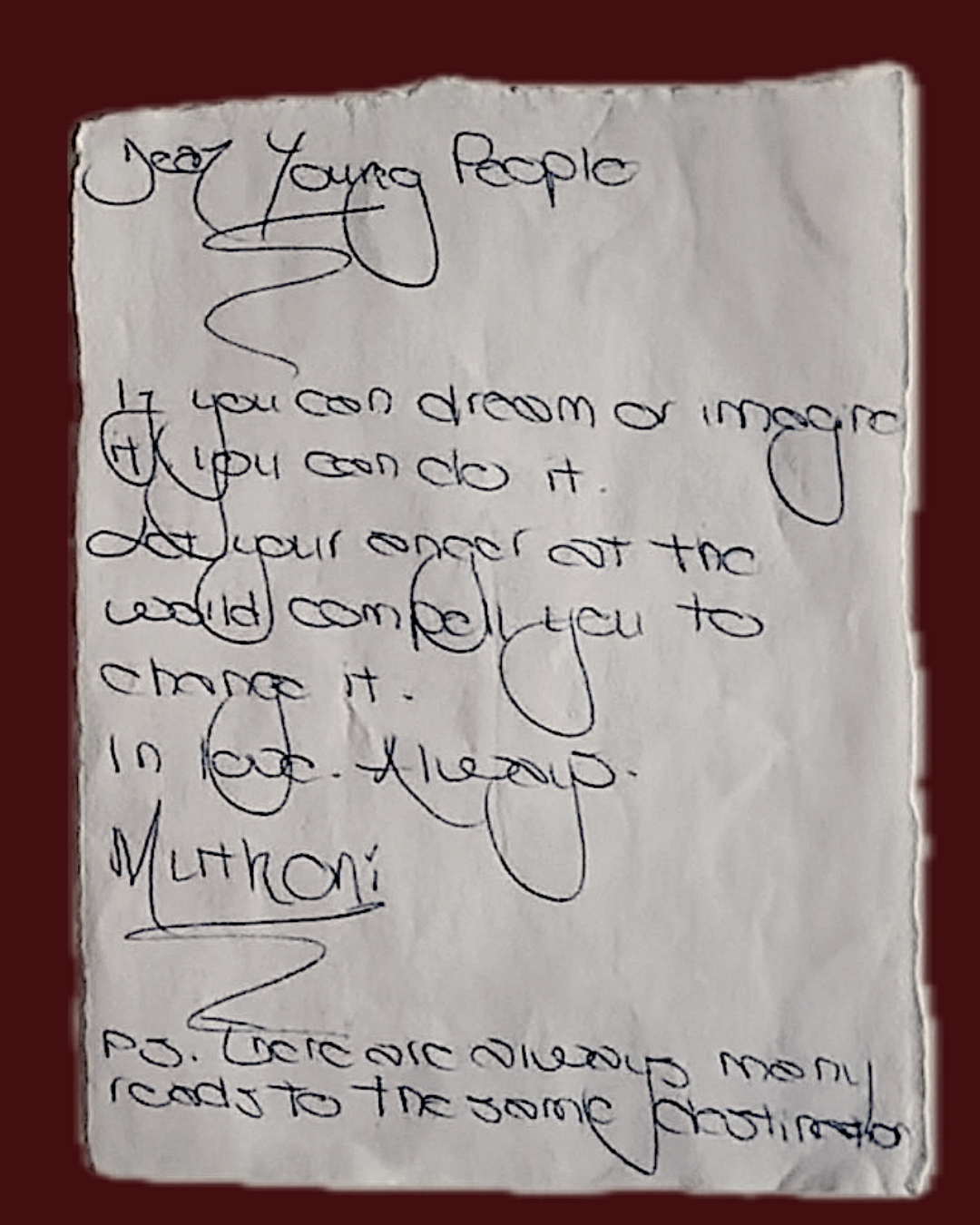
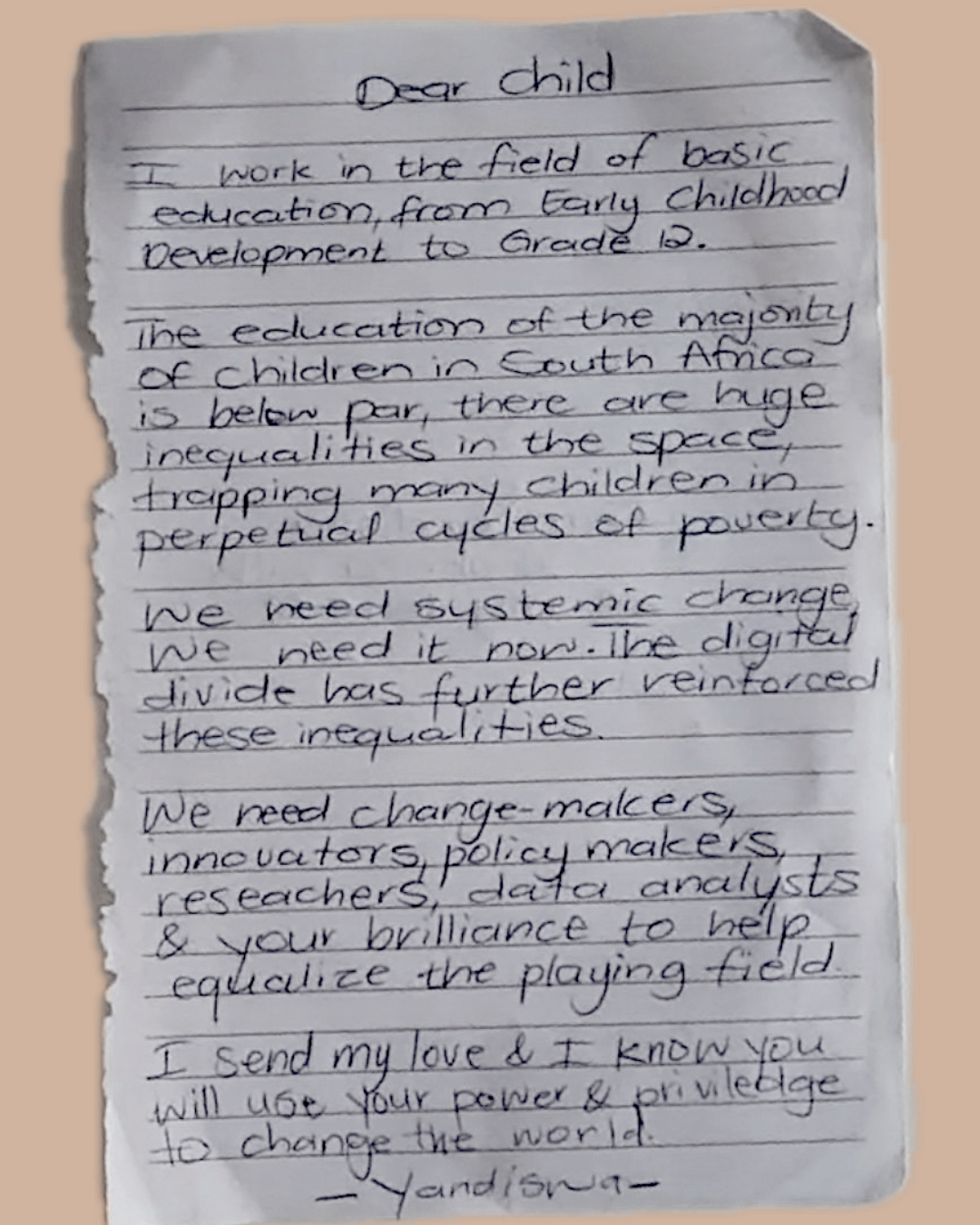
The call for systemic justice and the illusion of Hierarchy
Systemic justice whispers of equality, sketching a utopian horizon where, after generations of oppression and destructive ideologies aimed at black bodies, true liberation seems almost tangible. Still, we cling to the very structures that fracture us and words that keep us apart.
To reach systemic justice, we need more than vision; we need a deep awakening. Healing the scars left by old doctrines requires us to unravel the dense web of policies and empty promises that keep power locked away with the privileged and the patriarchal. Democracy may offer a glimmer of hope, but true justice calls for relentless curiosity, gathering fragments of understanding to dismantle the lingering systems that shape our world.
Ben Okri's novel The Freedom Artist becomes a prism through which we witness the struggle for truth. In a shadowy, allegorical world where knowledge and books are forbidden, Okri crafts a tale of resistance against a system built on concealment. The story champions the power of rebellious narratives and the vital role of books in a society drowning in misinformation. Okri invites us to confront the invisible prisons that shape our reality and guides us through the maze of hidden histories and truths, especially in an age where technology floods us with fleeting headlines and curated facts shaped by those in power.
Below is an extract from the book:
“The seven colours pleased Maribaba. He sat down with a clear mind, began to read the manuscript the old man had left for him.
When he read, he started to dissolve. The more he read the more he disappeared.
Phrases became icons in his mind. The words disappeared and became magic ones and changed the inner places in him….. He appeared into the murky mirror of beginnings. He saw how the prison came into being. He saw how each person became their own prison…..He saw that an ageless Hierarchy ruled the world that was a prison. They had all the power. They seemed to know all that was going on everywhere. They were so powerful….” (The Freedom Artist, pp. 197-198)
Dismantling the prison of passive minds to reignite youth curiosity
Okri paints the world as a prison, stripped of memory and governed by a relentless Hierarchy. This vision compels us to reckon with our duty to reshape our nation, especially as African women whose nurturing power and inherited wisdom have ignited true transformation. So, we are asked: how do we invent new languages of transformation that will echo as a legacy of empowerment? How can we raise our youth to become the voices of freedom, singing out from within the walls that still enclose us?
This is why educating our youth is so vital. As Yandiswa’s message in the attached notes reminds us, we must urgently challenge the very foundations of our educational systems and confront the inequities that stifle young potential. Bridging the digital divide is essential for youth in under-resourced communities. Today’s existential crisis is compounded by technology that has eroded our drive to pursue knowledge for the sake of critical thought. It has dimmed the spark of curiosity, making it harder for readers to interpret, challenge, and transform the ideas they meet.
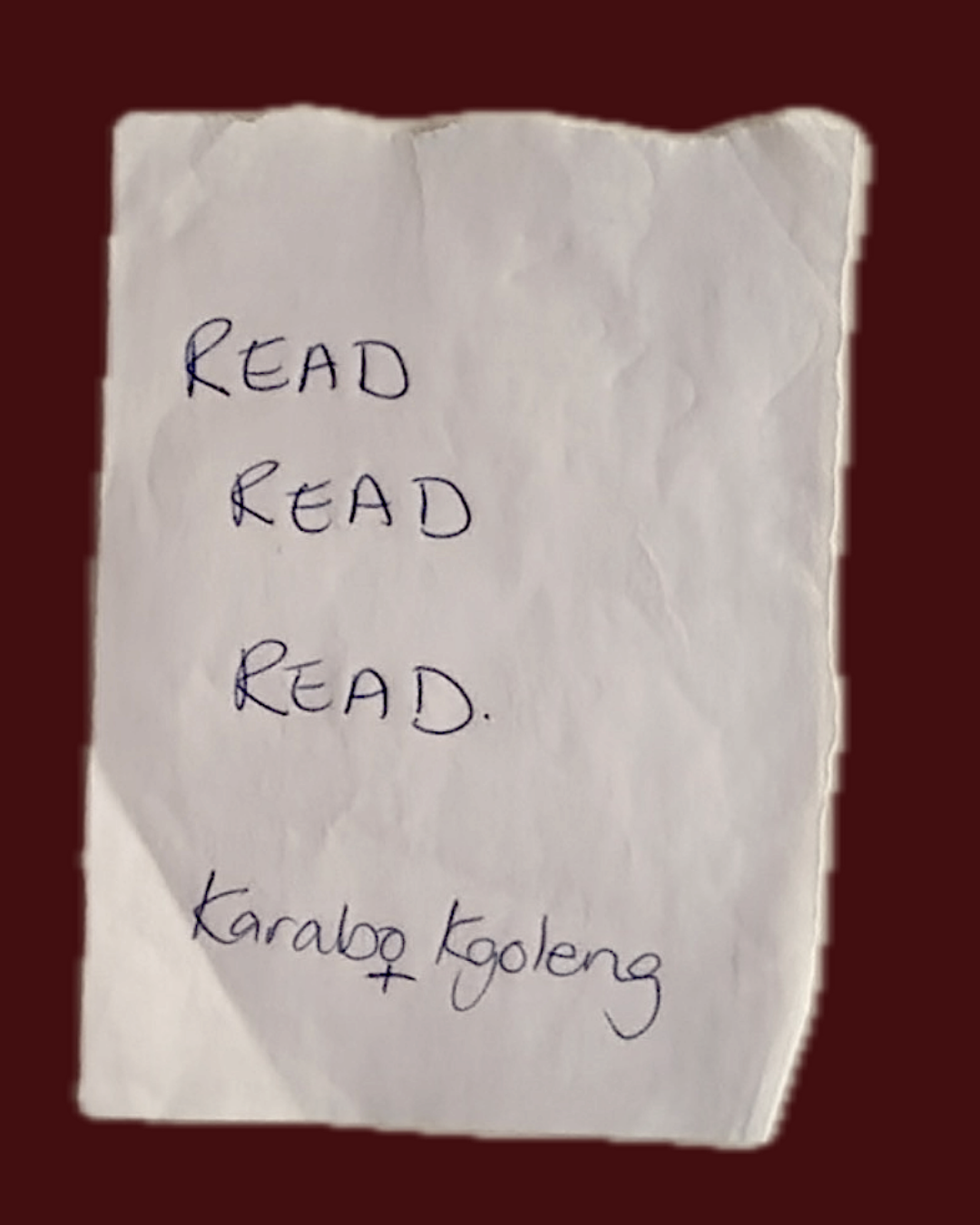
The following passage from The Freedom Artist, echoed by literary journalist Karabo Kgoleng, powerfully underscores why reading matters. If we do not empower minds and offer young people the chance to discover meaning through books, they risk being limited to the projected screen before their eyes, blinding their ability to turn the gaze and grasp the full landscape of knowledge.
“Karnak had heard about bookshops and had been shown books when he was growing up, but he had been shown them in great secrecy…..He had read about those who read. The strange ones. They read in secret. They met like a secret society and if they were caught terrible things happen to them. (p. 95)
"What happened to Books?"
"What do you mean by 'what happened to Books?'" was the girl's careful reply.
"I mean–" and here Karnak stammered, "I mean these images make me nostalgic for books, though they disappeared long time ago. What happened? Why did they disappear? I have always wanted to ask that question."
The girl did something unexpected. She laughed.
"The only thing that happened to books," the girl said, "is that people stopped reading."
"How did they stop reading?"
“…… we simplified the language it became the fashion to write with words in no longer than two or three syllables. It was the error of short words." (pp. 97–98)
Empowering youth to dismantle the invisible prison
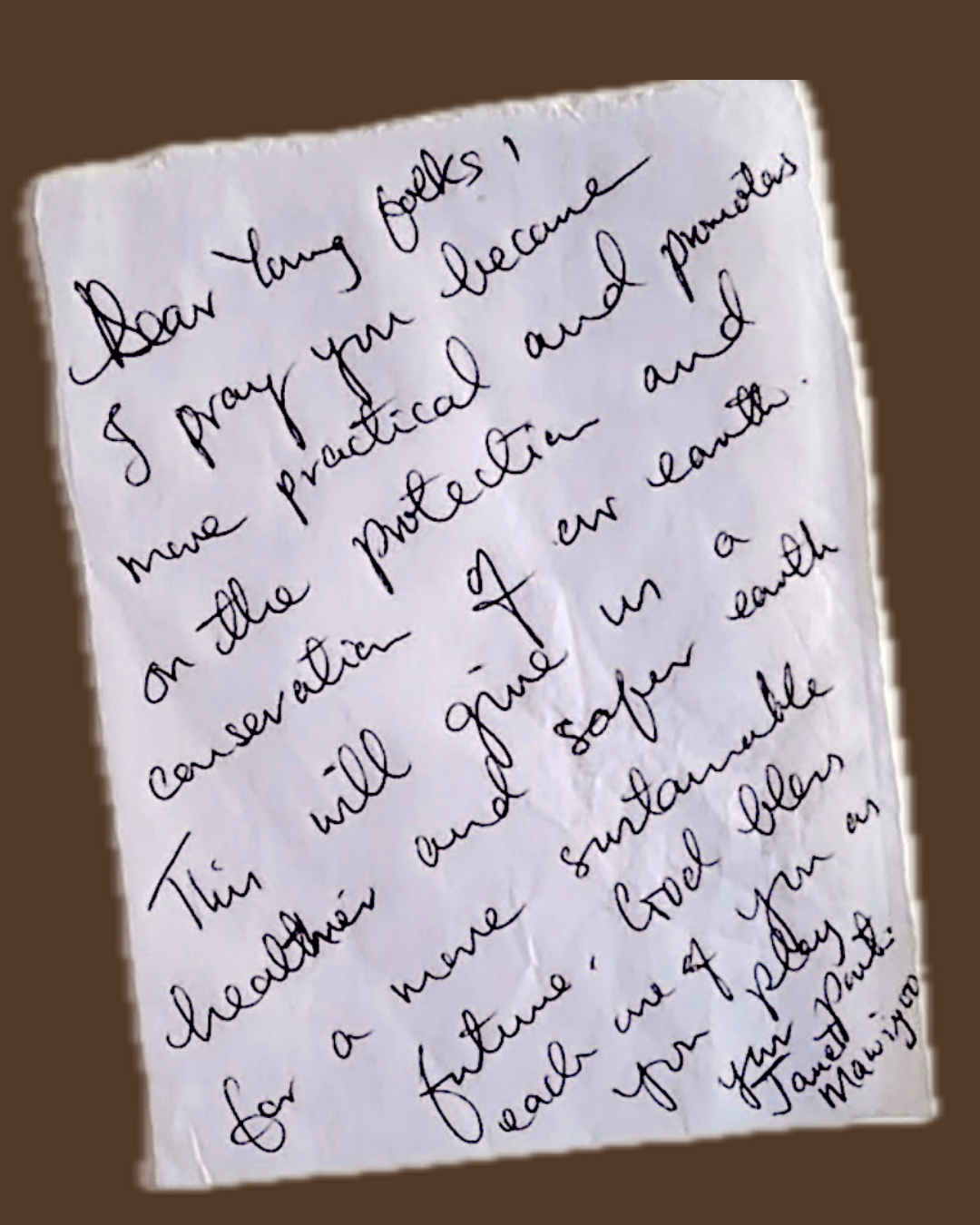
Within this prison, transforming our relationship with the hidden forces that shape our lives begins by empowering young people. Their voices and choices must shape the stories we tell, the quality we demand, and the outcomes we pursue. As we face pressing challenges like conservation and safeguarding our planet, we must open pathways that connect and empower communities, inspiring youth to question boldly, think deeply, and rise as leaders for justice.
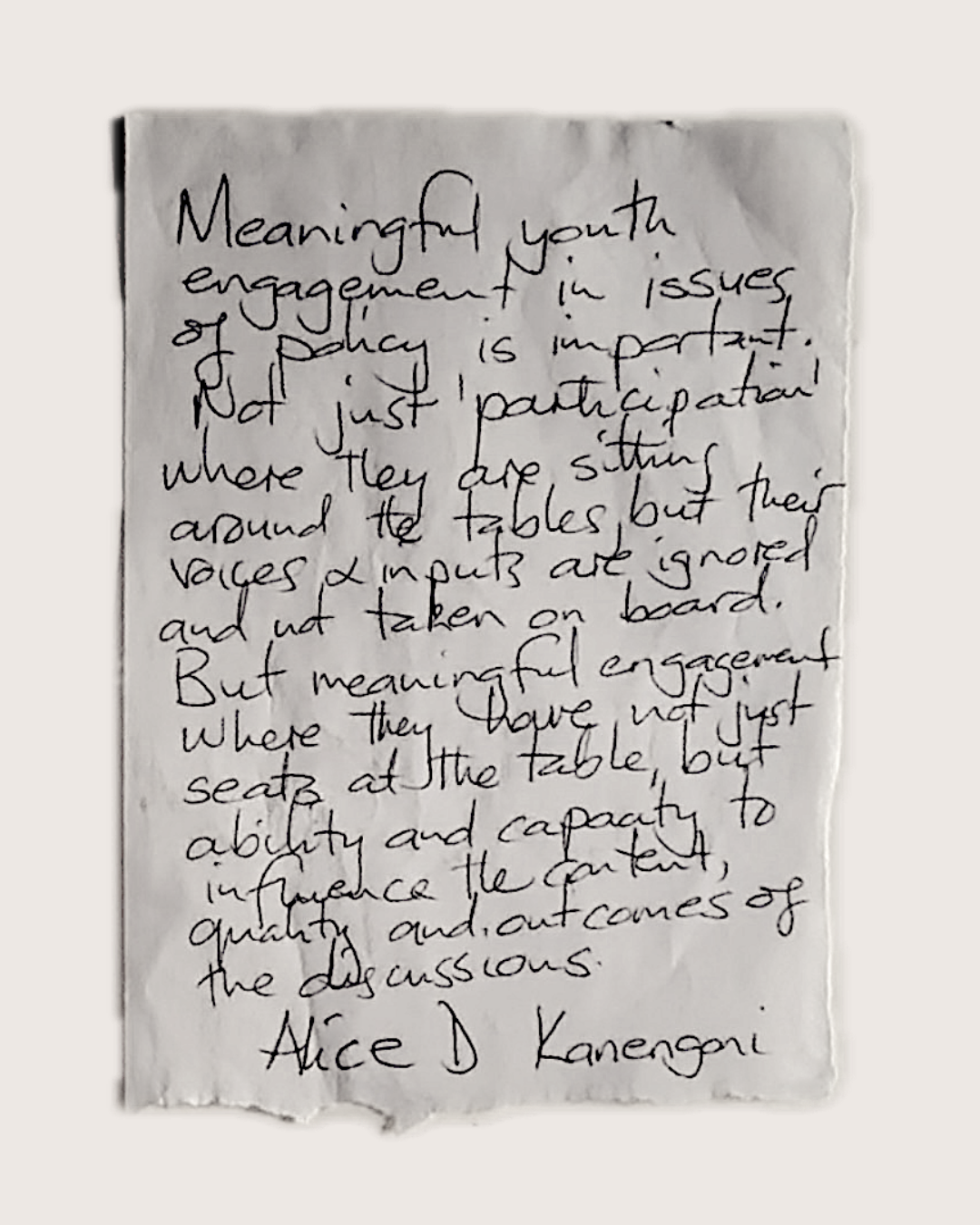
As we drive this mission forward, social change strategist Alice D. Kwaramba-Kanengoni urges us to remember that, when facing sociopolitical challenges, true leadership means creating spaces where young people do more than simply show up. They must be empowered to shape the very heart, direction, and impact of our conversations.
This journey calls for patience and foresight, recognising that progress is rarely a straight line. As a political scientist, L. Muthoni Wanyeki reflects, "We are always many roads to the same journey." The routes our youth choose may not mirror ours, but if we have given them the tools to question, the bravery to push boundaries, and the imagination to dream of freedom, then every path, no matter how twisting, moves us closer to liberation.