In the process of reimagining ancestry away from its perpetuated disconnect and reframing lineage, the voice of faith and what it means to be African emerge in this reflective essay.
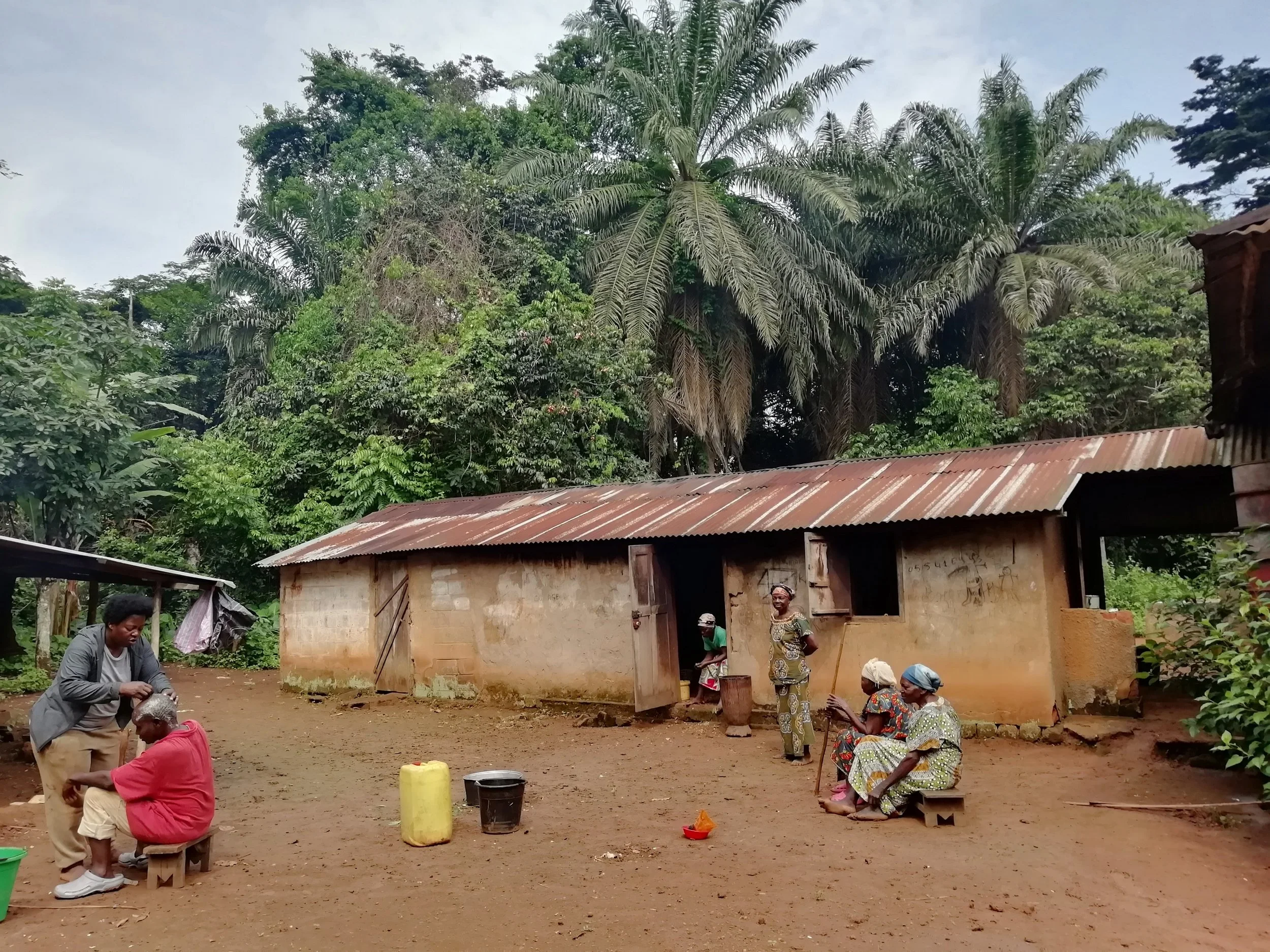
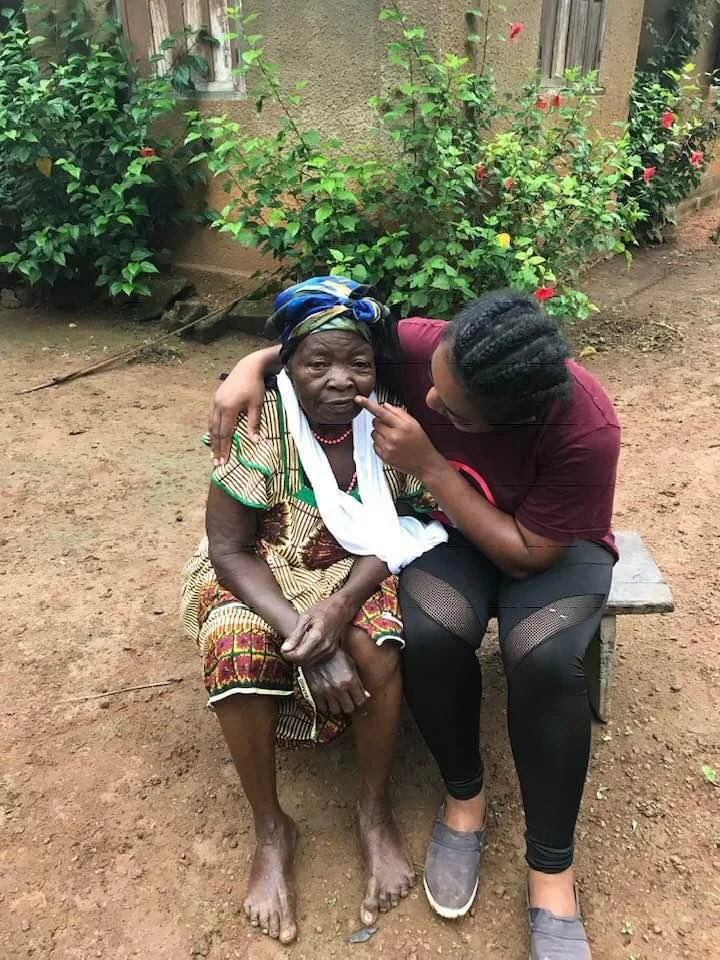
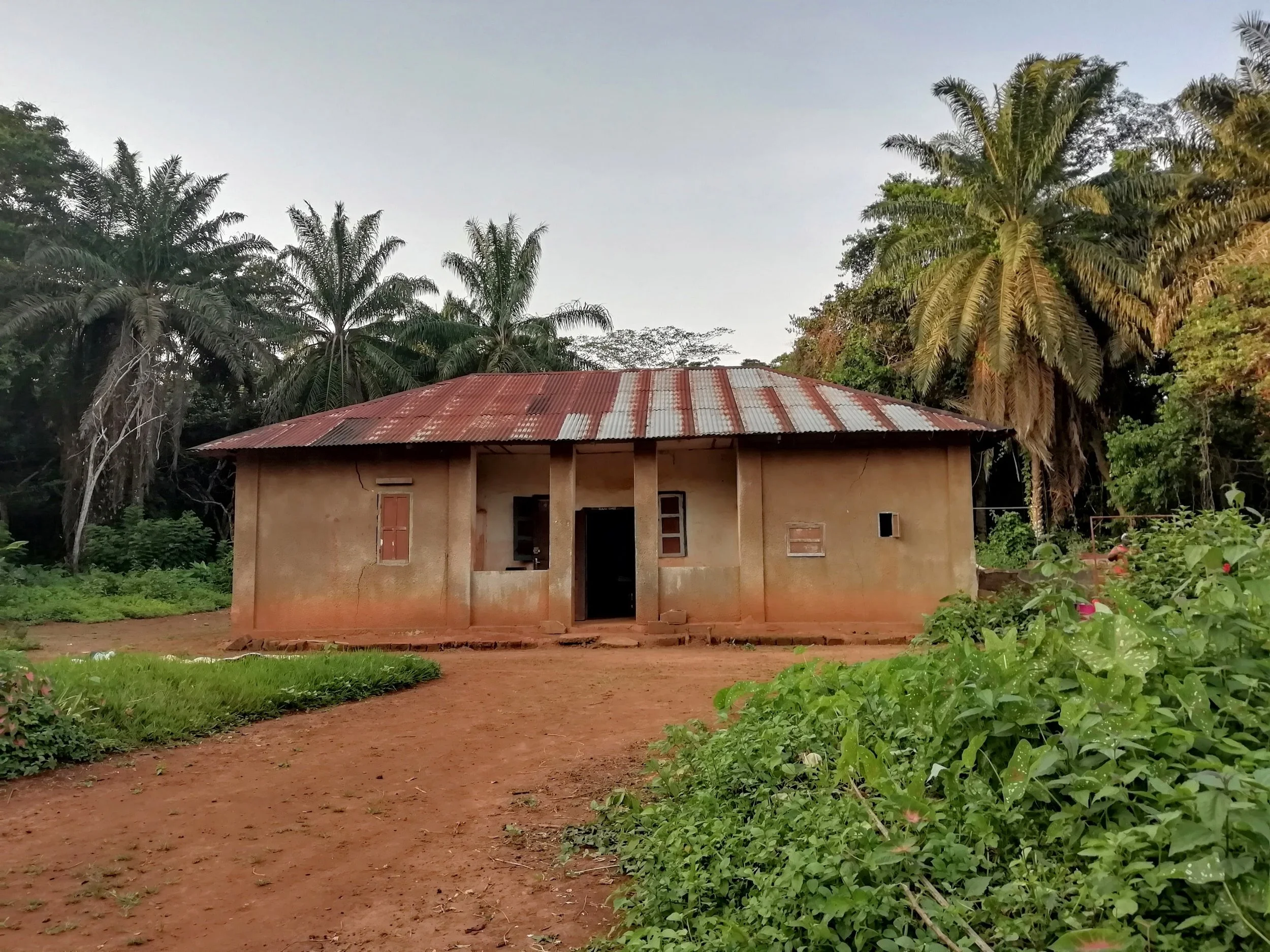
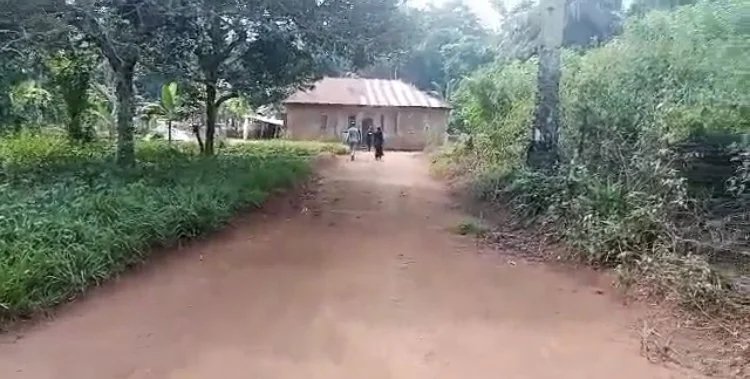
Image sources: Andréas Ruth Deolinda
I sit with a familiar scent of a history I once heard, felt, and never knew how to communicate in words. In many ways, the voice of my mother resonates louder and in tandem with the presence she has always held.
To be African is interlaced in the knowledge of those we are born from and how we perceive ourselves, intertwined with the influence of our colonial heritage. To understand Africanity, therefore, is to acknowledge those tensions and, through that momentum, unpack the pieces to rediscover our truest identity and our grounding in the language of our motherland.
The process of defining ancestry beyond the stigma
I realise, our world carries many layers of identity that are often untapped until we’re confronted with the essence of the somatic experiences that connect the dots of forgotten memories.
It’s ironic because if I were to be asked for a definition of the word “ancestry”, I’d properly highlight this text, and my intention in this coordination conjunction “but” is purposeful. Conceptually, I’ve never grown up with the language or terminology of ancestry; this language of an existential past that now exists in the plane of spirit and time. In essence, subjectively, this experience is knowledge passed down, honoured by the history of its origin, and we continue the cycle of learning and unlearning from the foundation we have been left to build upon.
As these tensions emerge, I consider the frame of identity, brought forth by what was birthed before I was even a human form. This is the language of a past that exists in the storytelling of my maternal heritage. It is born from the joys and sorrows of my mother, the interconnected stories from my grandmother, and the essence of upbringing that marked their individual journeys. These women and their voices, while unique, each carried their own sense of grief and longing to pass down the generations after them.
It is in this gaze of historical storytelling that I perhaps place myself in the ancestry of those I come from. My heritage is vast and beautiful in the complexity of the clan that holds space for me to exist today.
Our Patriarch, Ngouémo Kimpolo Thomas, was born around 1898 in the village of Mayoulou, his mother's village, Mpori.
When he grew up, he arrived in Mouyondzi as a slave under Ndolo Mayinda, the head of the family. Ndolo Mayinda owned several slaves, and the Patriarch was among them.
After the death of Ndolo Mayinda, he was entrusted to his nephew, Moukoubouka, who was also the uncle of Ngouémo Alphonse Sylvestre. The Patriarch then became part of the slaves (Nkutu) that his deceased uncle had inherited. Slavery did not last much longer, and its abolition was officially ordered.
Once freed, he found favor in the eyes of a Portuguese man who had taken him on as a shop assistant. Some time later, the Portuguese entrusted him with the management of the shop, along with all its furnishings and the house. However, when the business did not prosper, he decided to sell everything and moved to the village of Moundzélé (Mpandi 3) with his first two wives: Niangui Moukini Jeannette and Bouanga Mbanga Yocksane. He married all his other wives after settling in Mpandi 3.
In total, the Patriarch had seven wives. Among them was Bouanga Mbanga Yocksane from the village of Nkila, the daughter of Mbanga Ntsika (father), and Mouila Mabonzo (mother).
From Bouanga Mbanga Yocksane was born Mpembe Gouemo Rosalie, also known as Delphine. From Rosalie was born Honorine Nkita Moukoko, the eighth of nine children.
It is through this lineage that I am connected: the first of Nkita Moukoko, Andréas Fernandes Deolinda.
The reeducation of identity as heritage
I’ve come to an understanding that those moments I now consider sacred, which my mother often engaged my siblings and me in (even through family group chats, which I treasure greatly), were tokens of imparting an inheritance that is neither material nor lukewarm but substantive in today’s imperial society.
As I hold space for these reflective points, I define who I am and why the work I create has greater meaning — it nurtures the groundwork, breathes the depth of being in the natural world, and acknowledges a greater God who paved the cobblestones for a rich Africa drifting away from the lineage that brought them here.
I sit with a thought: if the Bible itself accounts for lineage and sonship, dating back to several generations and henceforth to find connections that would lead to the fulfilment of the promise or covenant of restorative grace through the messiah, Jesus Christ, then why are we so easily forgetful of our history? Why do we not engage in the dialogue of origin? Why are we afraid to admit that, even despite colonial blindness, they cultivated a tradition of remembering that we can honour today?
The confrontation of savoir-faire in religion and Africanity
In weaving this puzzle of ‘Who I am’, I connect the faith that my mother so dearly embodied in the Christian faith. The Bible has become a symbol of inheritance, both in my connection with the gospel and testimony, and in how the dedication of my mother to her faith revealed the tenderness of resilience to find joy amidst life’s many bouts of pain. The Word of God reads in Proverbs 22:6 (NIV):
Start children off on the way they should go,
and even when they are old they will not turn from it.
My conception of grounding is deeper or more sturdy than any systemic discourse of place in the world. It is innate and embedded in a belief I can never depart from. There’s a stillness that settles amidst the grief that reminds me of the heritage of my spirituality. I can safely proclaim that her earthly journey has arrived at a steady stop, because she honoured her role as a mother and daughter of God, raising children who continue the legacy she has established in our upbringing.
As I consider my work as a narrative architect, in love with the power of words, the journey of finding my voice is a place so vast, diverse, and challenging. While there may be stints of imposter syndrome in perhaps my differentiation of Africanity, it is valid and necessary in a world where speech policing is overt and loud.
May we discover our individual African voice, honour our faith-based journey through experience and discernment to build a collective united nation.
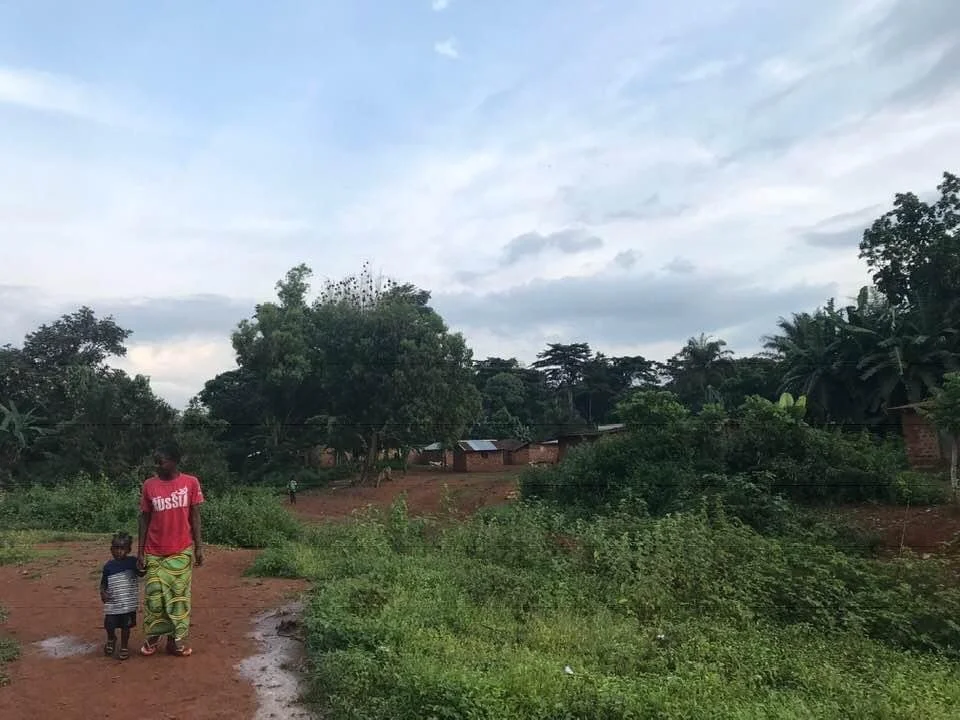
Disclaimer: The images presented in these pages can NOT be replicated, republished, reused, or otherwise removed from The Harvest Africa or associated platforms.