
“Systems weaving allows you to see how things connect and how they end up where they are today”
Wavinya Kavivya
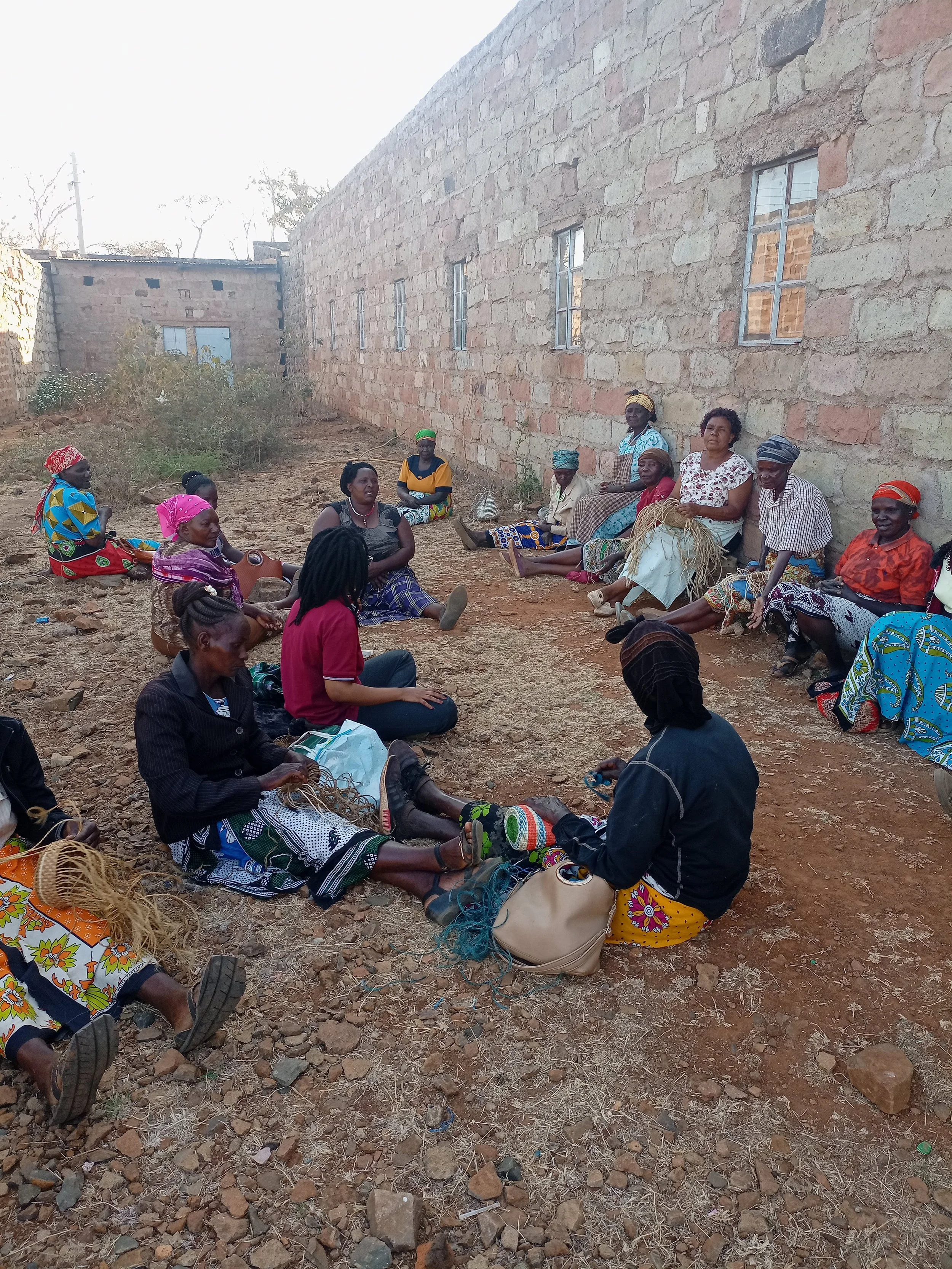
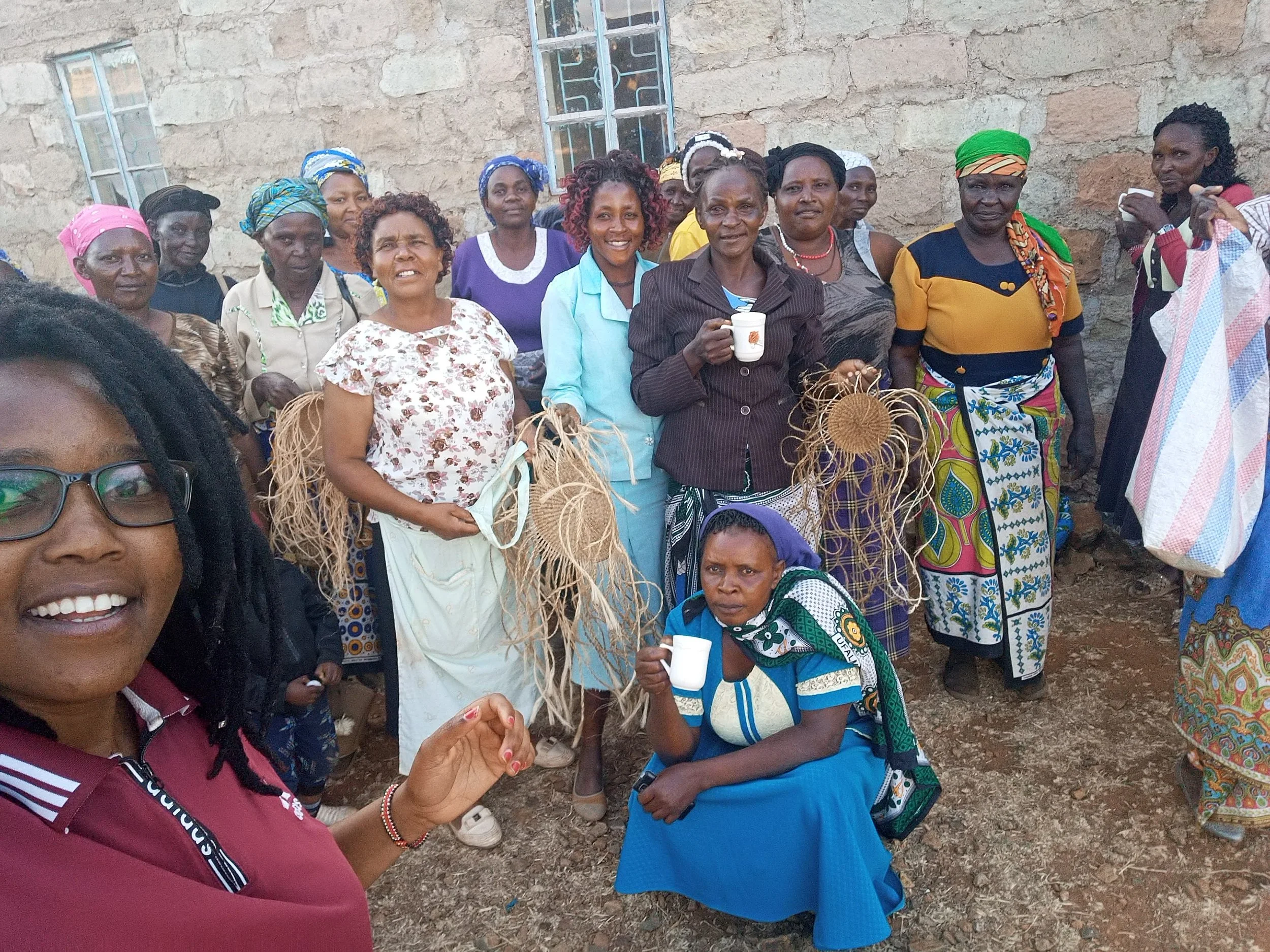
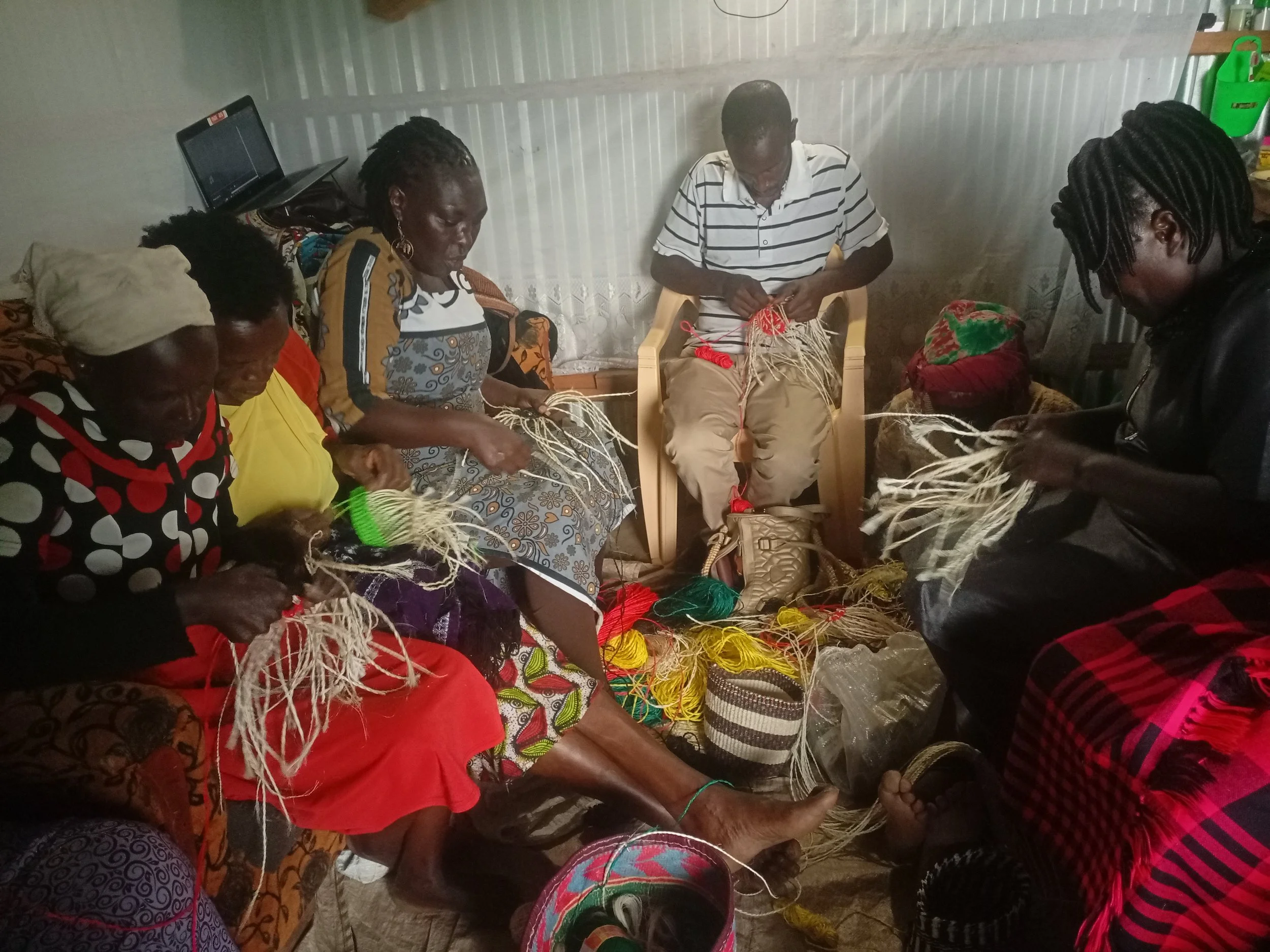
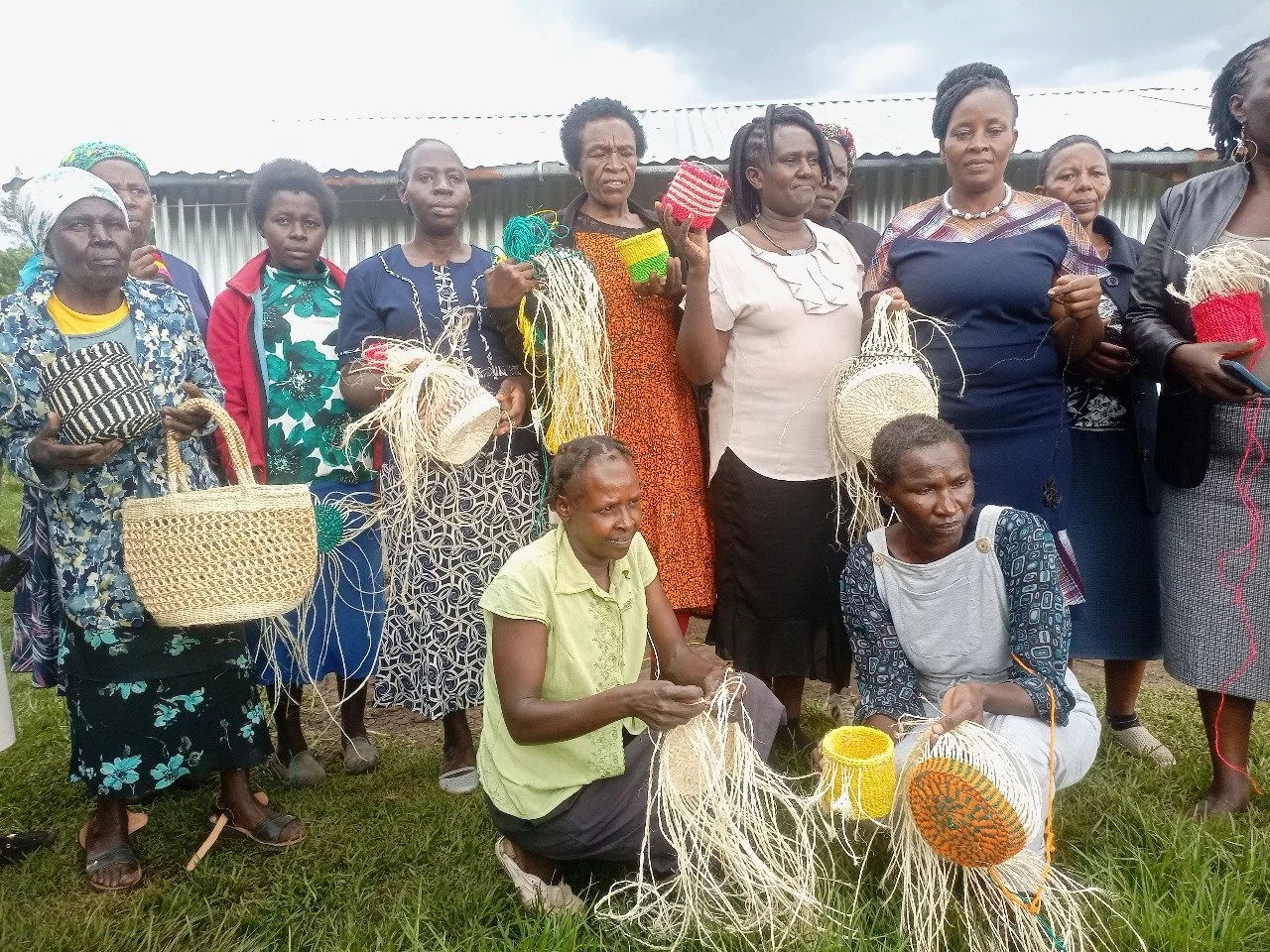
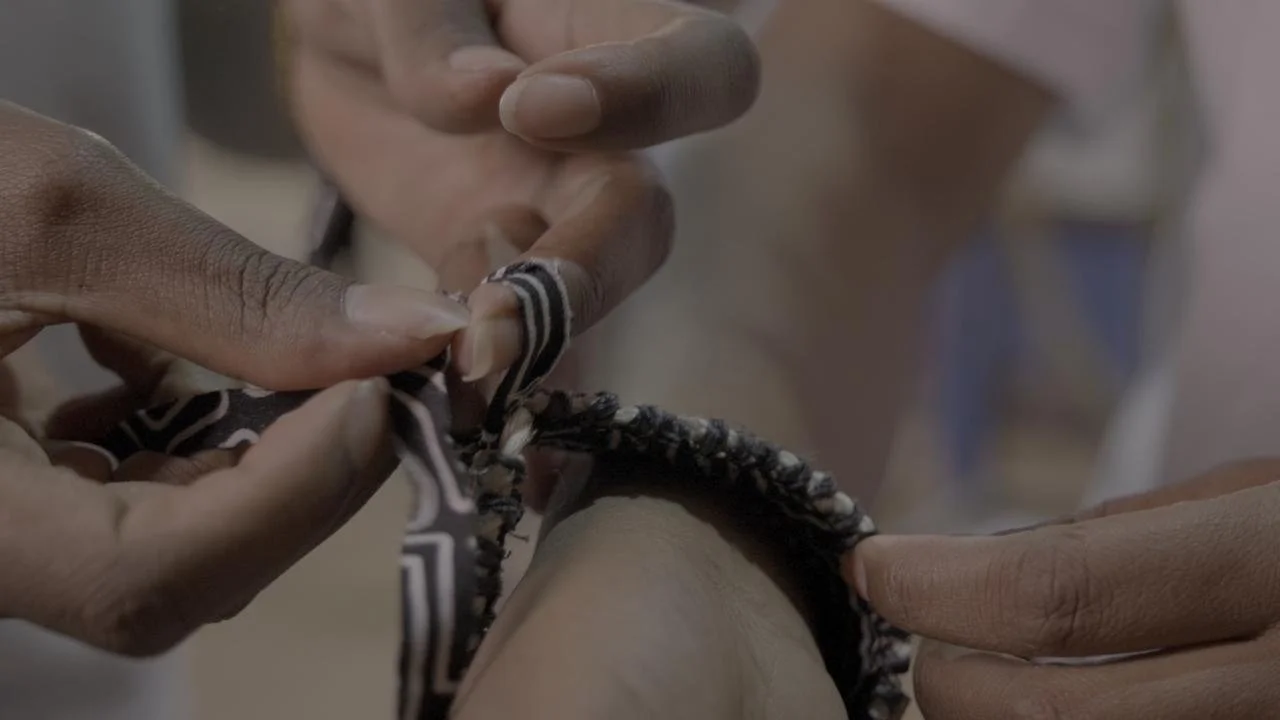
Just a few footsteps from the rush of city life, a group of women gather beneath humid air and shadowed trees, their hands moving instinctively through strands of fibre. Along Kenya's coast and in communities across the country, weaving is more than an inherited skill; it is an ancestral memory in motion.
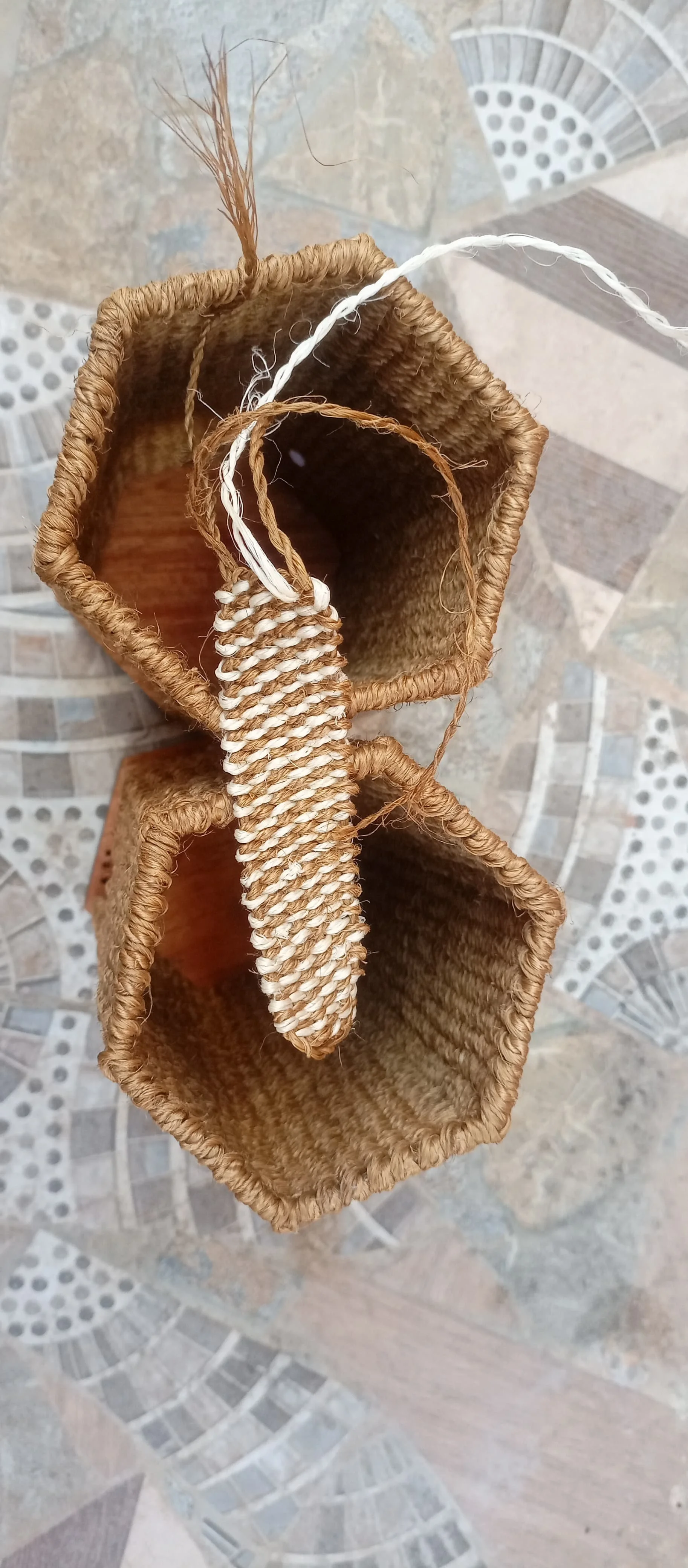
What was once born of necessity now exists within the economic realities of capitalism. Beautiful bags and baskets emerge from practised hands, but behind every finished piece lies the quiet weight of survival carried by women who have known little else.
The return to ancestral knowledge and the practice of systems weaving
In African culture, knowledge is not archived in books. It is passed from grandparent to child, from one generation to the next, carried through stories, rituals, and craft. Our connection is ancestral knowledge. Our desire for return is tied to the hunger to refine our identity. Yet the demands of modern markets constantly ask different questions: Who are we? Where do we come from? What makes us unique? And how do we honour our heritage while surviving within systems that often undervalue it?
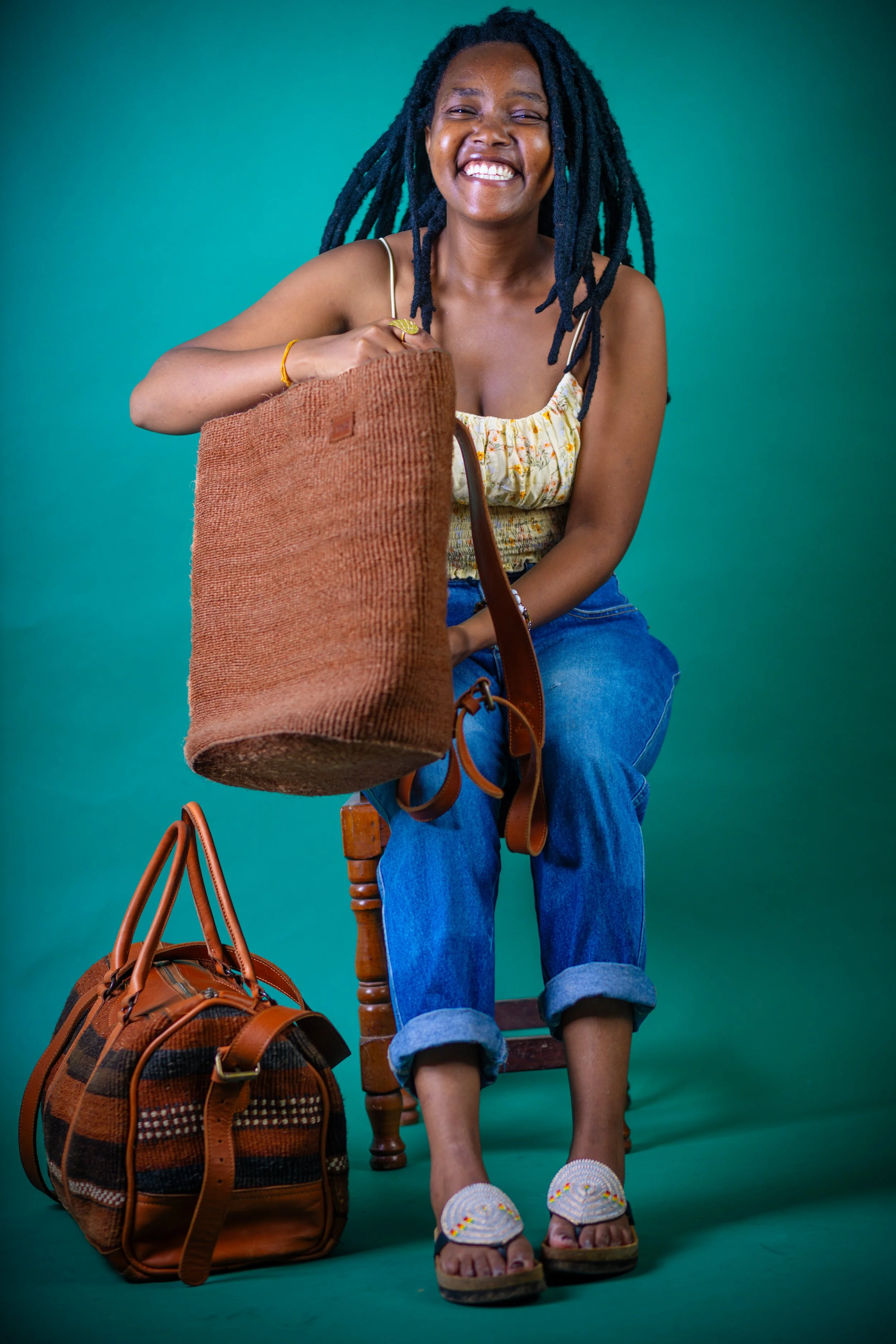
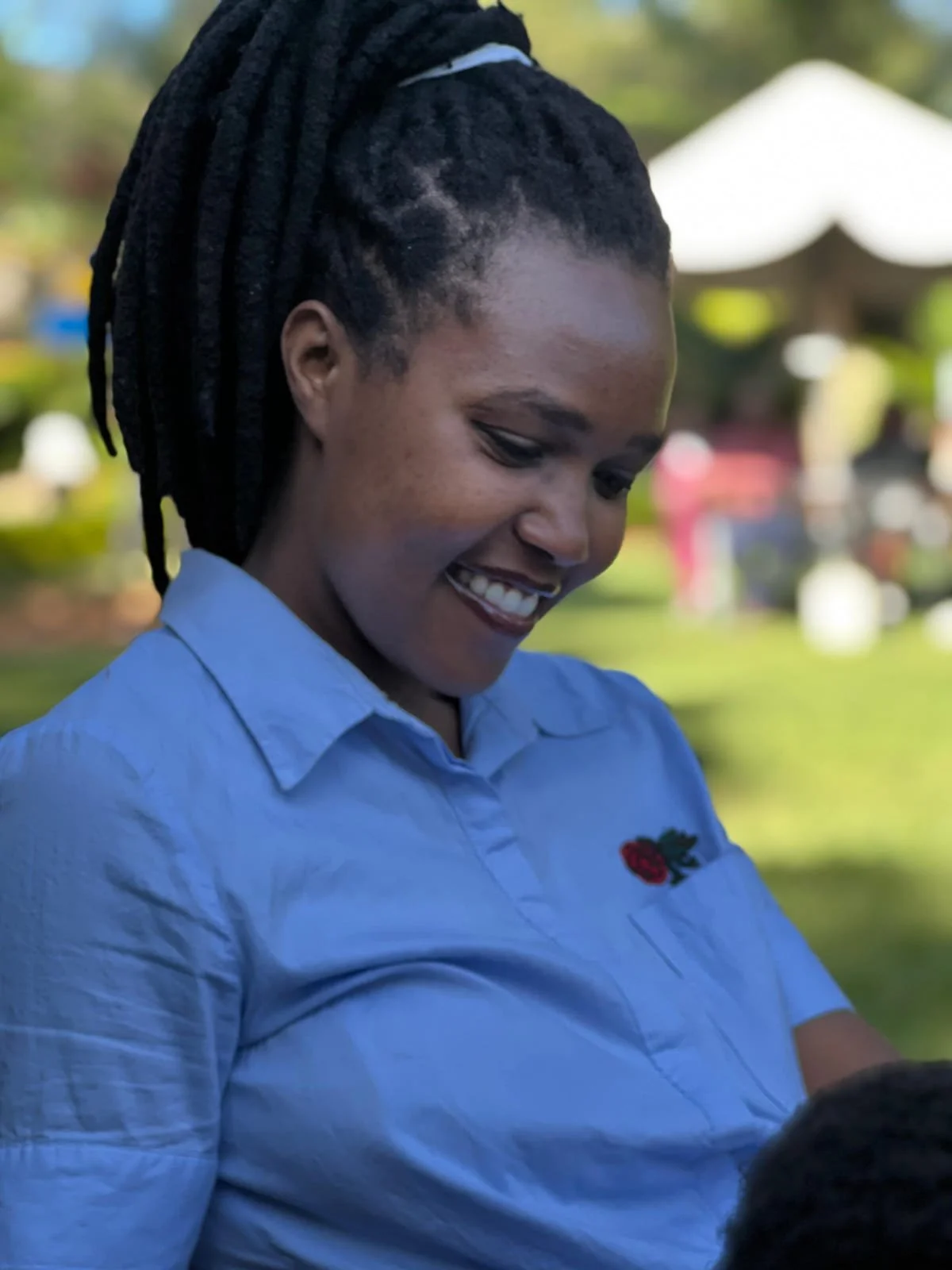
For Wavinya Kavivya, founder of Vinya Weaving Lab, weaving is not simply about creating products. It is about reconnecting people with themselves and with one another.
The organisation employs systems thinking to understand both tradition and the marketplace. Rather than mass-producing, it studies the relationships between artisan, consumer, ecology, and community, asking what strengthens the craft and what weakens it.
"Systems weaving allows you to see how things connect and how they end up where they are today," Wavinya explains. By understanding these connections, artisans are not only preserving tradition but also building economic resilience without sacrificing ecological consciousness.
Yet the challenges are numerous. The perceived value of locally made products remains distorted, even among African consumers who often pay more for imported goods than for handcrafted work produced within their own communities. Raw materials such as sisal are vulnerable to changing climates and market fluctuations, placing further pressure on artisans whose livelihoods depend on them.
Teaching as an act of remembrance and community activism
Despite these realities, Wavinya continues to teach weaving as an act of remembrance. For her, passing on the craft is about more than income. It is about ensuring young people inherit a heritage that binds generations together and preserves ways of knowing that cannot be replicated by machines or algorithms.
Nowhere are these contradictions more visible than in Kilifi County. Vast plantations of sisal stretch across the landscape, yet the surrounding communities struggle with poverty and food insecurity while the products are exported elsewhere.
The contrast raises uncomfortable questions: Do we create solely for money, or do we create in service of culture, dignity, and respect for the art itself?
The meaning of true sustainability through ecological consciousness
These questions also shape Wavinya's understanding of sustainability. She challenges the contemporary language surrounding sustainable fashion and development, arguing that many definitions remain rooted in capitalist frameworks rather than ecological or human realities.
"I don't know," she reflects. "In certain metrics, I would be termed as poor, but for us, that was simply a way of not using more than we needed."
"For us, sustainability was using something until you could not use it anymore, and when you were done, it respected the environment," she says. "Now, sustainability is measured by how fast something can be made or how quickly it can leave the environment. That's not actually respecting the environment; it's just plugging holes."
Her critique extends beyond textiles. She recounts conversations with organisations planting millions of trees while entire communities are displaced to make way for carbon offset projects.
"What trees are we planting? With whose intention are we planting them?" she asks. "You find so many communities have been driven out of their space just to plant trees so companies can keep polluting. That makes no sense. That is not sustainable."
Instead, her philosophy places humanity at the centre. "I believe sustainability is a process that honours humanity first, then the environment, and then future generations. At the end of the day, we are only here temporarily, but we want our children to have a home where they can breathe safely, communicate freely, and wear their traditions and their grandmother's knowledge with honour."
The agency to honour heritage and break from survival
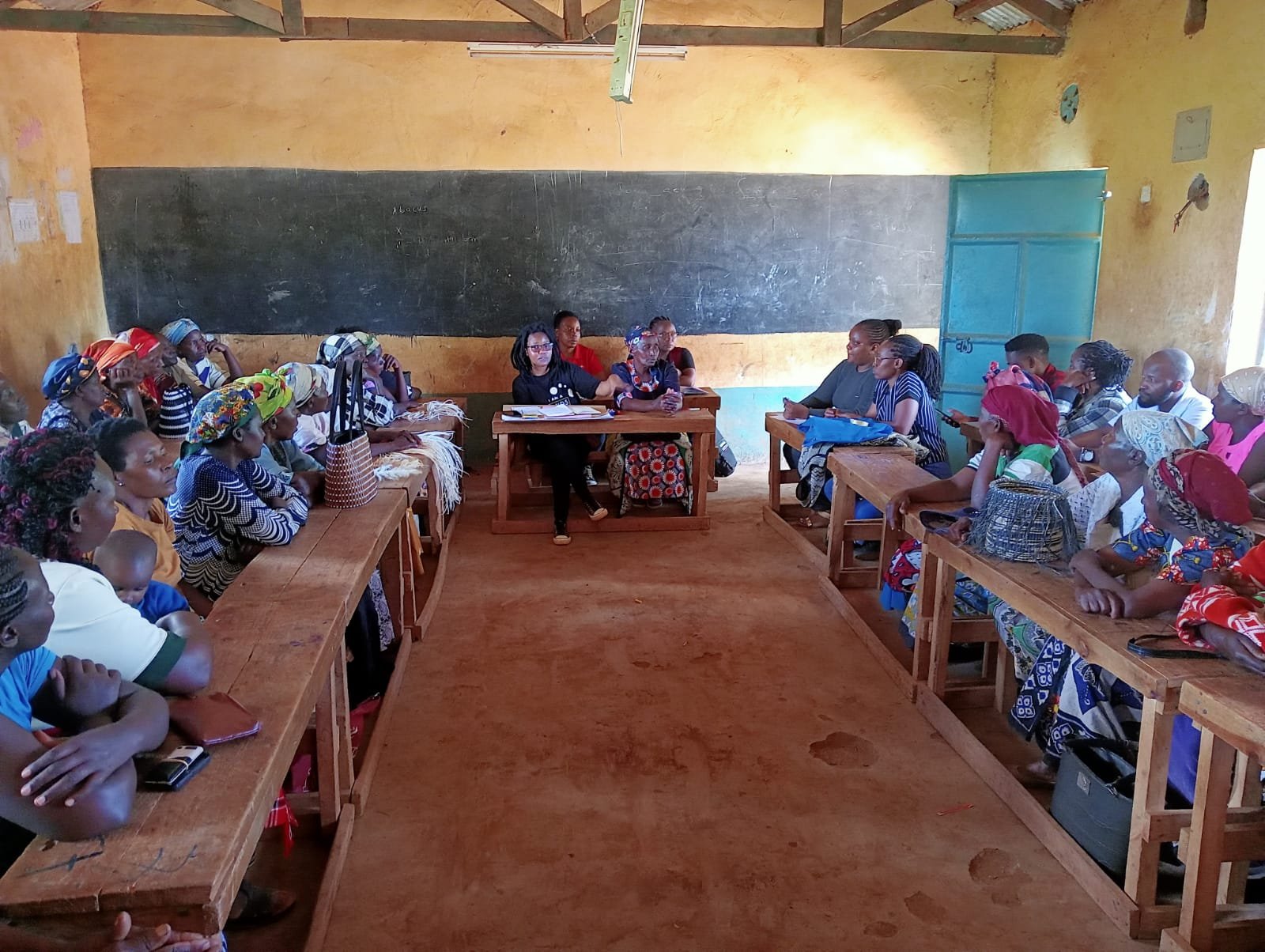
At Vinya Weaving Lab, empowerment is not simply about employment. Wavinya deliberately positions herself as a bridge rather than a permanent intermediary, teaching women (and young people), many of whom carry the primary responsibility of caring for their families, how systems operate so they can advocate for the true value of their work rather than remain dependent on others to negotiate it.
As she puts it, "When you understand systems, you realise it's not only the government's responsibility. You stand up and say, 'I cannot be paid two thousand Kenyan Shillings when I'm still expected to pay taxes.'"
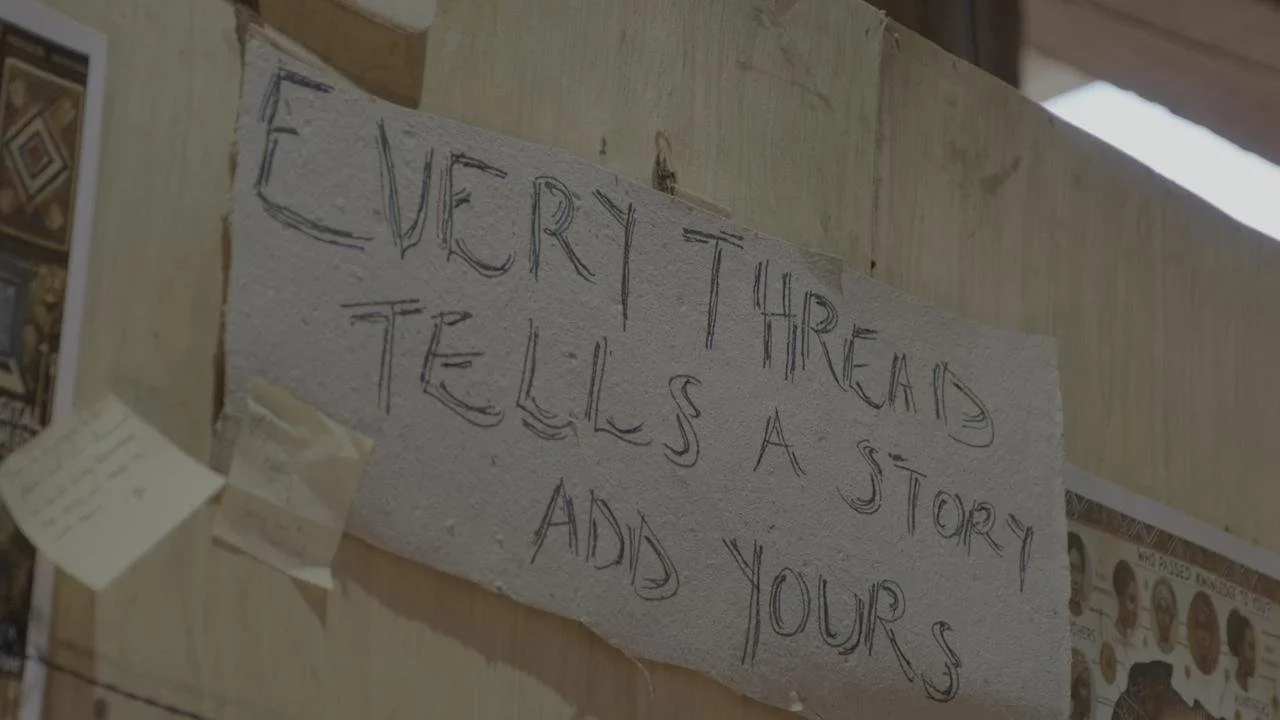
In the end, weaving becomes more than the interlacing of fibres. It becomes the interlacing of memory and economy, culture and ecology, dignity and survival. The thread that runs through every basket is also the thread that ties communities to their past while offering them a way to shape their future.
Perhaps that is the true meaning of sustainability: not another metric informed by financial capital, but a practice that honours people, protects the environment, and leaves future generations with something more valuable than profit: the knowledge of who they are.