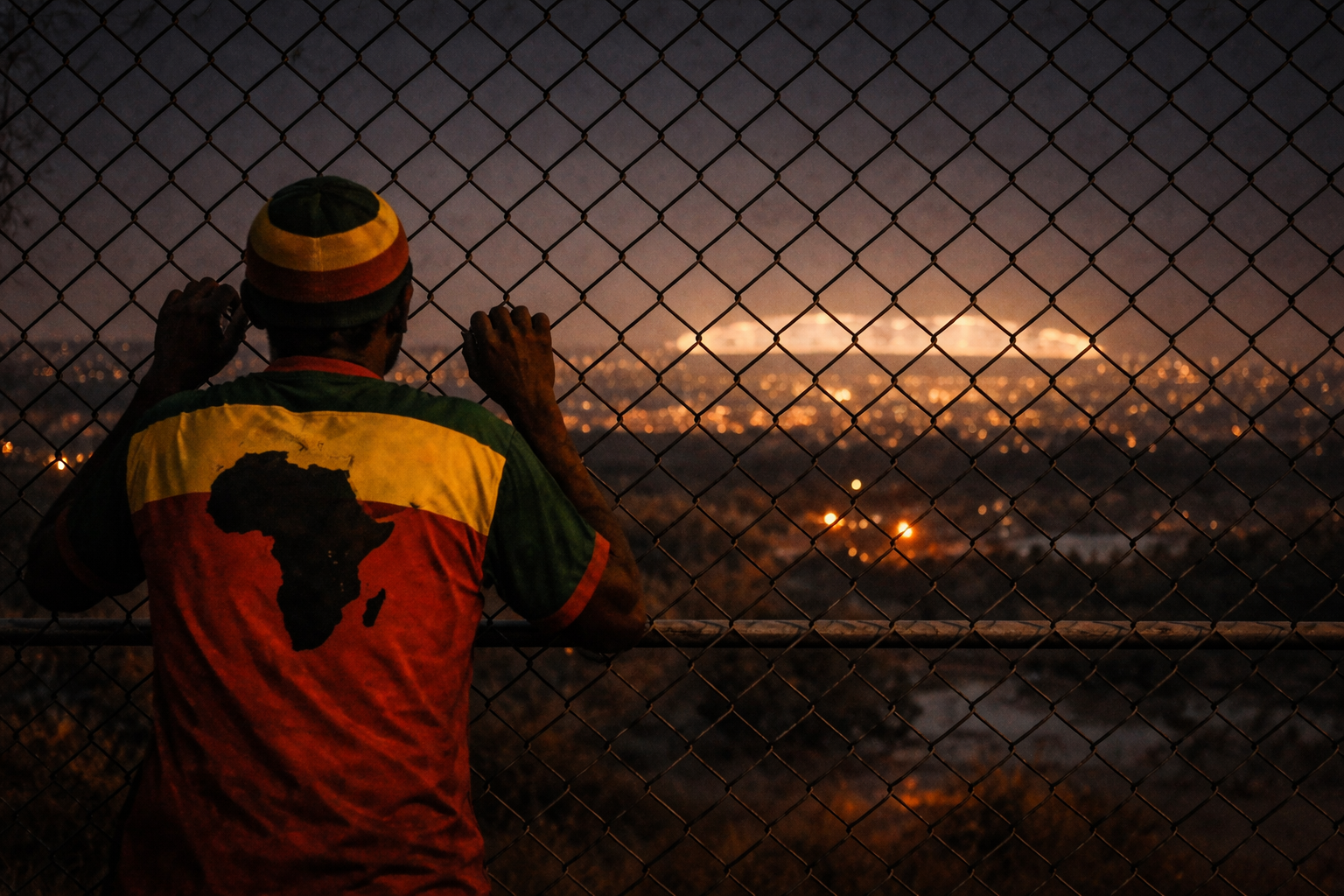
As the world counts down to the long-awaited 2026 FIFA World Cup, the promise of the game slips just beyond the grasp of many African fans. What ought to be a jubilant festival of flags, drums, and diasporic pride instead arrives shrouded in silent exclusions.
US visa bans cast a shadow on Africa's FIFA World Cup participation
In December 2025, Donald Trump’s administration issued Presidential Proclamation 10998, which imposed sweeping visa restrictions on 75 countries across Africa, Asia, and South America. The impact struck African nations with unpredictable force: 13 imposed full restrictions, 14 have been fenced in by partial bans, and 11 had immigration visa pauses.
Official justifications include deficient screening and vetting; high overstay rates reflect neatly in bureaucratic language. Yet on the ground, the fallout reverberates far beyond the sterile words of policy.
Of the African nations qualified, consisting of Algeria, Cabo Verde, Côte d’Ivoire, Egypt, Ghana, Morocco, Senegal, Tunisia, and South Africa, that participate in the 2026 FIFA World Cup, nine, with the exclusion of South Africa, now face formidable entry hurdles. Players, officials, and a handful of relatives are exempt from restrictions, but for fans, entry is much narrower.
When it comes to sports spectators, it is the fans who give the game its heartbeat. What reads on paper as a roll call of brilliance on the pitch begins to fracture under the weight of visa restrictions. The spectacle remains, but the shared experience, the living, breathing community that animates it, begins to thin at the edges.
Across the continent, football has never been just a game. It is a language of chants and memory, a wellspring of hope, a ritual that binds people across distance and difference. In many places, it sits at the centre of cultural life, stitching together communities across class, geography, and history. To be shut out of a tournament that comes once every four years is not a minor disappointment; it is a rupture. A sharp reminder of how easily joyful, communal movement can be curtailed when power draws its lines.
When ‘privilege’ becomes policy: Visa laws rewriting the rules of the sport
Framed by the United States Department of State as a matter of policy, where visas are described as a “privilege, not a right,” backed by State Department spokesperson Tommy Pigott, the language lands with finality. Within this tightening architecture, the global game begins to resemble something more selective, more uneven. A gathering, yes, but not equally so.
And in that imbalance, an uneasy question lingers: what does global celebration mean when access itself is conditional?
Côte d’Ivoire and Senegal, both under partial restrictions, now face heightened scrutiny. Ivorian applicants, flagged for higher overstay rates, are funnelled into stricter vetting processes. Senegal, despite fewer infractions, is still caught in the same dragnet, evidence that policy, in its broad strokes, often erases nuance.
Meanwhile, Algeria, Cabo Verde, Egypt, Ghana, Morocco, and Tunisia encounter immigration visa pauses, tying new knots into already tangled paths to entry.
In the end, the World Cup is more than a contest. It is a crossroads where people, stories, and journeys meet. To restrict that movement selectively and disproportionately is to reshape the very spirit of the game.
And perhaps that is the quiet question lingering beneath it all:
What is football without community?